Real talk from a river cruise specialist
If you’ve ever seen photos of long ships sailing past European castles or through vineyard-covered hills and wondered, “Wait, what exactly is a river cruise?”, this guide is for you.
As someone who plans river cruises every day (and has taken quite a few ourselves), we can tell you this: a river cruise is not your typical cruise. It’s a more intimate, scenic, and culturally immersive way to travel – and trust me, once you’ve tried it, there’s no going back.
What Is a River Cruise, Really?
A river cruise is exactly what it sounds like – a cruise that takes place on a river instead of the ocean. But beyond that, it’s an entirely different (and dare we say, way better) experience!
These small ships (typically 150 – 190 passengers) sail through the heart of Europe, docking directly in the center of historic cities and charming villages. Instead of spending days at sea, you’ll spend each day exploring somewhere new – often just steps away from your ship.
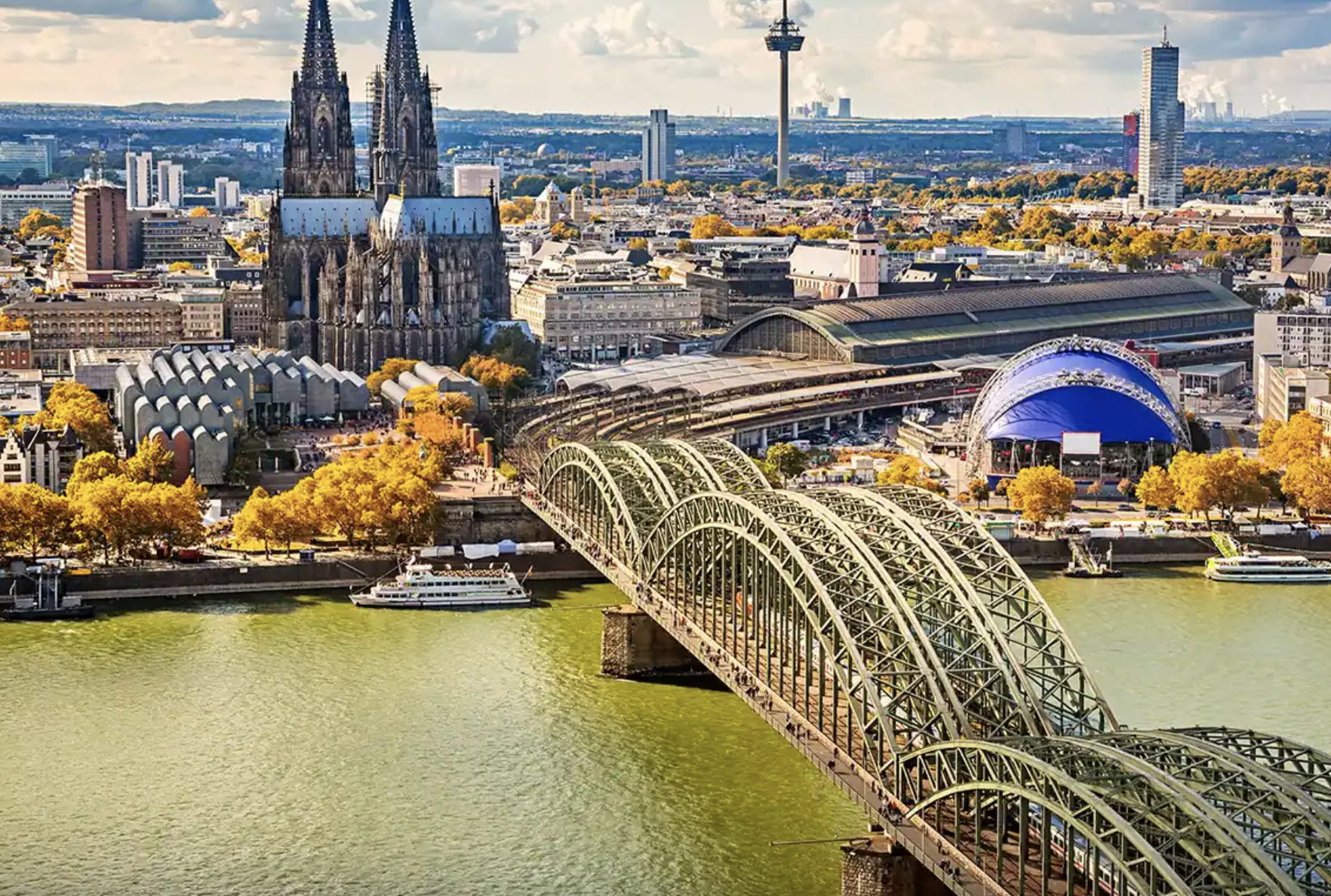
Imagine waking up to a new town or country every morning, enjoying breakfast while you glide past vineyards, then walking off the ship right into a storybook town like Cologne, Bordeaux, or Rudesheim.
That’s a river cruise.
How Is It Different from an Ocean Cruise?
If you’ve been on an ocean cruise, you might be surprised at just how different the river version feels – and in all the best ways.
Here’s why river cruises stand out:
1. Smaller Ships, No Crowds
River ships carry around 150 guests at a time, instead of thousands. That means no constant lines, no waiting for tenders (smaller ships to take you from a large ship to shore), and no elbowing through buffets. The experience feels more like a boutique hotel than a resort, without all the chaos that comes along with a large ocean cruise ship.
You’ll actually get to know the crew – and they’ll usually know your name (and your favorite wine) by day two.
2. You’re Always Close to Shore
Unlike ocean cruises, you’re never “out at sea”. You’re sailing along calm rivers, surrounded by stunning scenery – vineyards, the beautiful countryside, castles, and medieval towns are often just a few hundred feet away.
And since river ships dock right in city centers, you can walk off and start exploring immediately. No crowded buses and shuttles – and no long transfers just to get into town.
In the river cruise industry, we often say. “Ocean cruises take you to a country. River cruises take you through it.”
On an ocean cruise, you might spend a day in a port city before sailing off overnight. On a river cruise, you’re gliding right through the heart of the destination – seeing how people live, eat, and celebrate in the towns along the way. You’re part of the story, not just a visitor.
3. A New Port – Almost Every Day
While ocean cruises can have long sea days, most river cruises visit a new destination daily. You’ll step off in the morning for a guided tour or you can choose to explore on your own, and be back onboard in time for lunch, wine tastings, or a quiet afternoon on deck.
You might enjoy a stop in a new country each day or enjoy several amazing towns & cities in just a few countries, depending on your itinerary.
4. Fewer People, Better Food
Meals on river cruises feel more personal, because they are. Everything is cooked onboard with fresh, local ingredients often sourced from town during the daily stops. Many menus even reflect the region you’re sailing through – think Austrian goulash on the Danube or French cheeses on the Rhône. And many river cruise lines feature wines and local beverages from the region you’re sailing through as well, so the selection can change daily.
You’ll dine in a relaxed setting with open seating, so you can mix it up with new friends you’ve made each night or keep to yourselves – your choice. There’s no need to stress about making reservations for onboard restaurants in advance of your trip, like you would normally do on a large ocean cruise. With river cruise dining, you can just walk on in when you’re ready for dinner.
5. Included Excursions and Drinks
Most river cruise lines include daily excursions, beer and wine with meals, and WiFi. Some (like Uniworld, Tauck, or Riverside Luxury Cruises) take it further with a truly all-inclusive pricing that covers gratuities, premium drinks, and airport transfers too.
Ocean cruises often appear cheaper upfront, but the costs can add up quickly with extras, including shore excursions and tours, drink packages, gratuities, WiFi, specialty dining, and more. With river cruising, what you see is much closer to what you’ll actually spend.
6. More Cultural, Less Commercial
River cruises focus on local culture, not entertainment. You won’t find casinos or Broadway shows onboard.
Instead, you might enjoy a wine lecture, a cooking class, a classical concert, or a folk dance performance you can join in on – all inspired by the places you’re visiting. It’s immersive, not flashy.
7. Will I get seasick?
No! River cruising is incredibly smooth – the water is calm and there are no waves. Even the most motion-sensitive travelers have no issues.
What’s Life Like Onboard?
Here’s where river cruising truly shines. Once you step onboard, it’s like entering a floating boutique hotel – elegant, calm, and thoughtfully designed for comfort.
The Atmosphere
Think “refined but relaxed.” You’ll often see guests reading on deck with a coffee in hand, chatting with new friends over a glass of regional wine, or watching the scenery glide by from the lounge’s panoramic windows. There’s no loud music, no packed pool decks – just peaceful sailing and space for genuine connection.
Evenings are social but often low-key. Dinner could be followed by live piano music, trivia, or a local performance. It’s friendly and engaging without ever feeling forced. Depending on the guests, time in the lounge can be pretty chill or quite the party, with some guests staying up late into the night or early morning. And most ships have a general lounge policy that says “if guests are in the lounge, the bar stays open”.
The Staterooms
River cruise cabins are designed for comfort and scenery. Most feature large picture windows or French balconies that open to the river breeze, and some suites even include full step-out balconies with seating – and some ships (like most AMA vessels) have both French and full balconies in many of their rooms.
Typical cabins are a bit smaller than ocean cruise staterooms (usually around 170 – 250 square feet), but they’re beautifully appointed with plush bedding, clever storage, and thoughtful touches like heated bathroom floors (in some cases), rainfall showers, and robes.
High-end ships – like those from Riverside, Uniworld, or AmaWaterways’ newer fleet – rival luxury boutique hotels in décor and finishes and are literally designed to be “boutique floating hotels” that represent the region they are sailing in.
Even the smallest cabins feel cozy and not cramped, because you spend much of your time out enjoying the view, excursions, and other onboard spaces.
The Common Areas
Every river ship has a comfortable lounge (usually with floor-to-ceiling windows), an open-air sun deck, and a main dining room. Many ships also include:
- A secondary specialty restaurant
- A fitness room or small wellness area
- A walking track or plunge pool on deck
- A small spa offering massages or facials
- A cozy library and tea/coffee station with snacks all day
You’ll find a sense of community here, where guests tend to mingle easily, whether over morning coffee or sunset cocktails.
Service & Crew
The service on river cruises is truly exceptional and this is an area where I feel they shine the most. With fewer passengers, the crew gets to know you personally: how you take your coffee, what kind of wine you like, whether you prefer an active or relaxed pace.
It’s a very warm, intuitive hospitality – not scripted. You’ll feel truly cared for without ever feeling fussed over.
Entertainment
Evenings are low-key – live music, a crew talent show, trivia, or a cultural performance. No casinos, no production shows. But the people and destinations are the entertainment.
Fitness and wellness
Many ships have small gyms, walking tracks, or bikes you can borrow for shore rides. Some even offer yoga on deck, or small massage/spa rooms.
Internet and connectivity
Wi-Fi is included and generally reliable when docked – but it can be spotty while sailing through remote stretches or locks. Think “enough for email and social media,” and sometimes for streaming Netflix.
Accessibility
Most river ships have elevators between decks, but most river cruise experiences are not wheelchair-friendly (especially on older ships or those with narrow gangways) and the cities you’ll be traveling through are not designed for those with significant mobility challenges. Guests with mobility concerns should check details before booking.
Bottom line: You need to be able to care for yourself fuly or have someone traveling with you that can.
Laundry
A few ships (like the AMA Magna and a few Uniworld ships) offer self-service laundry, but all ships offer paid laundry service, which is a great perk on longer cruises.
Excursion options
Most of the better river cruise lines have several included choices daily – like a walking tour, bike ride, or food & wine outing. You can also skip tours and explore on your own; ships provide maps and recommendations.
Activity levels
Guided tours are usually labeled “gentle,” “regular,” or “active,” so you can choose what suits you best. Many lines even offer a “late riser” tour for those who prefer slower mornings.
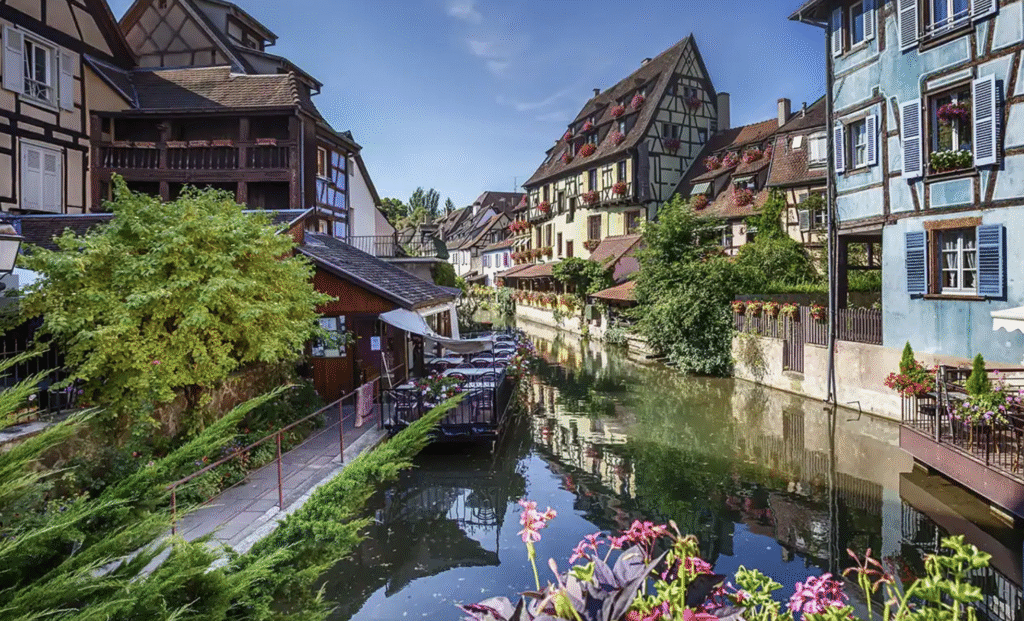
Where Do River Cruises Go?
More places than you probably realize! But most travelers start with Europe, where the rivers themselves are the attractions:
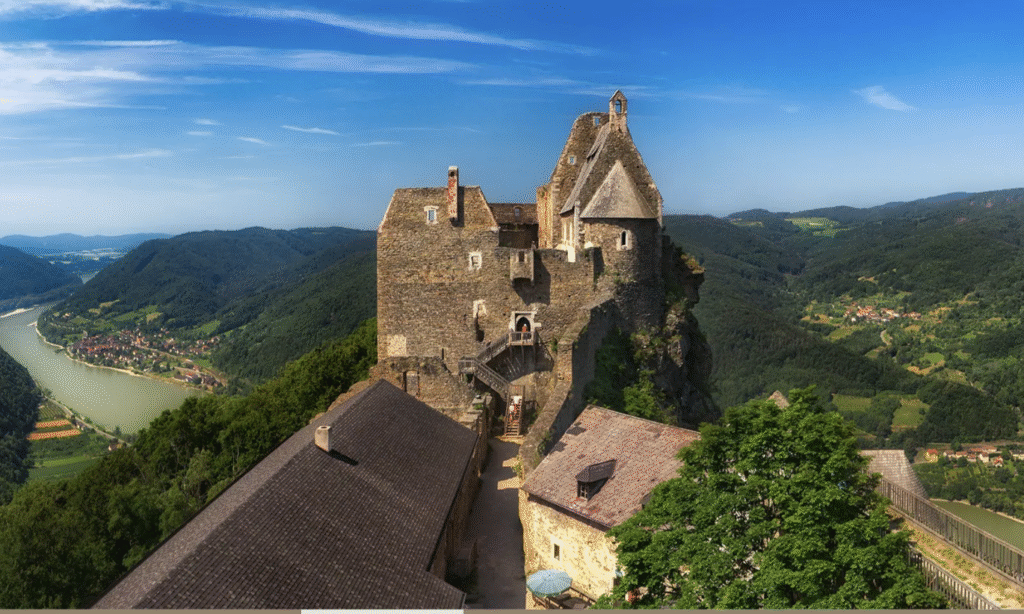
- The Rhine: Castles, vineyards, and fairy-tale towns
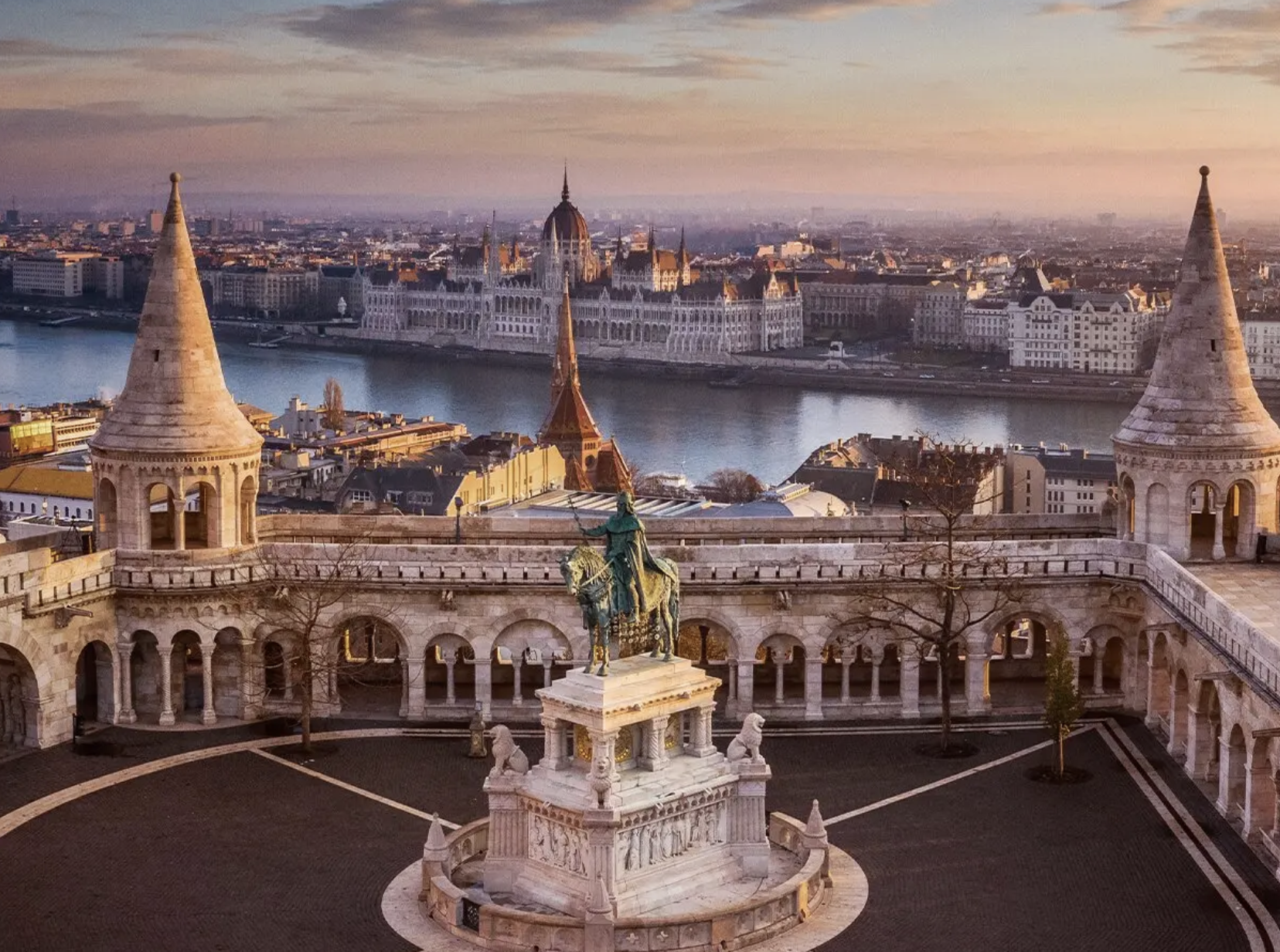
- The Danube: Grand capitals like Vienna and Budapest
- The Moselle: Storybook villages and steep Riesling vineyards
- The Main: Medieval towns and Franconian wine country
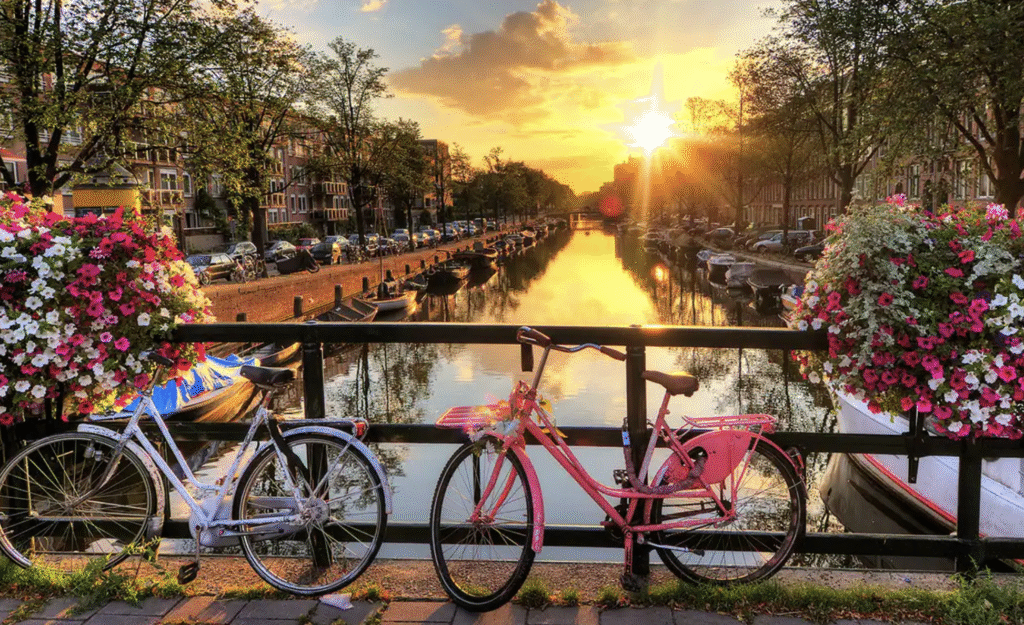
- Dutch & Belgian Waterways: Tulip fields, windmills, and canal-lined cities
- The Seine: Paris and Normandy
- The Douro: Portugal’s wine country
- The Rhône & Saône: Provence and Burgundy
Outside of Europe, there are some truly incredible options out there! You can experience a river cruise on:
- The Nile: Egypt
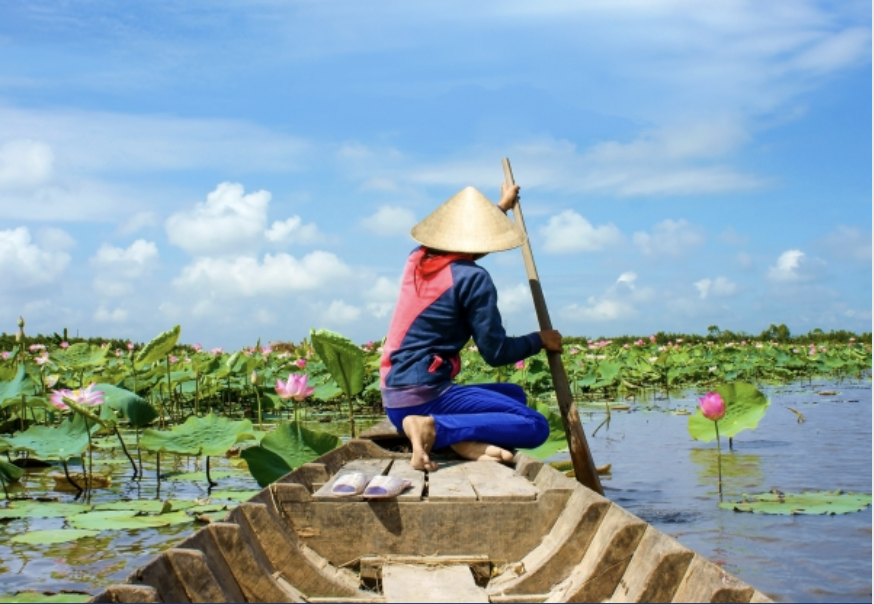
- The Mekong: Vietnam & Cambodia
- The Magdalena: Colombia
- The Chobe: Africa
- And even the Mississippi River in the US, if you just don’t feel like leaving the country!
What’s Included (and What’s Not)
Every river cruise line is a little different, but here’s what’s typically included:
- Your cabin (typically based on double occupancy – 2 guests sharing a room)
- All meals onboard
- Beer, wine, and soft drinks with lunch and dinner
- Daily guided excursions
- Wi-Fi
- Port taxes and fees
Sometimes included: gratuities, premium drinks & all-inclusive beverages, airport transfers, and special excursions (depending on the cruise line).
We’ve written a full blog post on this topic if you’d like a little bit more information on the topic.
What a Typical Day Looks Like On a River Cruise
To give you a feel for the pace, here’s what a day on the river might look like:
Morning: Enjoy breakfast as you glide into a new city. Then join a guided walking tour, bike ride through town, or take part in one of the included activities & excursions.
Afternoon: Lunch onboard, if sailing, or you’ll often have plenty of free time to explore local shops and cafés.
Evening: Enjoy a multi-course dinner with regional wine onboard, followed by live music or a local performance. Or venture ashore for a romantic dinner in town if you’ll be docked overnight.
The best part? You only pack once!
Who Will You Meet Onboard?
You’ll meet other travelers who appreciate culture, good food, and authentic experiences – couples, solo travelers, and groups of friends, often in their 40s and up, though there could be a mix of ages depending on the river, time of year, and itinerary. Overall, river cruises attract curious, easygoing people who want to experience destinations deeply, not just tick them off a list.
Why River Cruises Are So Popular Now
More and more travelers are choosing river cruises because they offer:
- All the comfort of cruising without the crowds
- An easy way to see multiple countries in one trip
- Docking right in the center of historic towns and cities, so you can walk straight off and start exploring
- A stress-free travel experience (no constant packing/unpacking)
- Intimate ships and more personalized service
- Exceptional inclusions
- They’re perfect for repeat travelers: new rivers & destinations are opening up all the time
- You get a genuine connection with local culture and people
For many, it’s the perfect blend of luxury, convenience, and authenticity.
Before You Go (Pre-Cruise Prep)
- How early to arrive: Plan to arrive in your embarkation city at least one day before the cruise. Flights get delayed, luggage gets lost, and you don’t want to risk missing the ship. Many river cruise lines offer pre-cruise hotel packages that include transfers. Arriving a few days early (and staying a few days later) gives you an excellent opportunity to more deeply experience your arrival and/or departure cities. Personally, I do both – arrive early and stay later – so I have more time to explore each destination.
- Dress code: Forget tuxedos and ball gowns! River cruising is relaxed. Think smart casual – sundresses, slacks, and nice tops for dinner. A few lines (like Uniworld or Riverside) are a bit dressier in the evening, but “country club casual” is as formal as it gets. Suit & tie is not required, but you do you – if you love to dress up, go for it! But don’t feel any pressure to overpack.
- Packing tips: You’ll want comfortable walking shoes (this is extremely important), a light jacket, layers for changing weather, and a small cross-body bag for excursions. Some rivers (like the Douro or Nile) get hot; others (like the Rhine in spring) can be cool and rainy. For travel at other times of the year, our team will send you our recommended packing list.
- Electrical outlets: Most ships have both 110V (U.S.) and 220V (European) plugs, but it’s smart to bring a universal adapter just in case.
- Currency and spending: Most onboard purchases are charged in the currency of the area you’re traveling in and are settled to your card at the end of the river cruise. When ashore, local shops often take cards, but smaller cafés may prefer cash in the local currency.
Yellow Umbrella Travel Tip:
If you’re new to river cruising, start with a seven night itinerary on the Rhine or Danube. They’re the most scenic, the most popular, and the easiest to reach from the U.S.
Once you’ve had a taste of river cruising, you can branch out to more unique itineraries – like the Douro in Portugal or the Nile in Egypt.
But fair warning – most people fall in love with river cruising after their first time. We know we did! And this is coming from people who swore off ocean cruises. By day two, we were already planning our next river cruise!
Ready to Experience River Cruising for Yourself?
If you’re curious about your first river cruise and have questions or if you already know you’re ready to plan the trip now, we’ll help you choose the perfect itinerary, ship, and cruise line for your travel style.