An expired passport, or one that never got renewed, derails more Caribbean and Alaska bookings than almost any traveler expects. Federal law carves out a specific exemption for U.S. citizens sailing round trip from a U.S. port, and it changes the entire planning equation, whether you’re eyeing a Caribbean sailing or exploring US river cruises that never leave the country.
Getting the documentation right early is what prevents real problems later, sometimes thousands of miles from home, especially if you’re planning a group cruise for the first time. Find out what is a closed loop cruise, the exemption behind it, and whether this format fits your next trip.
What Is a Closed Loop Cruise?
A closed loop cruise is a voyage that begins and ends at the same U.S. home port. The ship leaves from a city like Miami, calls at several Caribbean destinations, and returns to Miami at the end of the sailing. The route forms a complete circle, which is where the name comes from.
Picture a road trip that starts and ends in your own driveway. You might stop in three different states along the way, but your car pulls back into the same spot it left from. The loop describes the geographic route, not any system on the ship itself.
You may also see this sailing style called a closed circuit cruise, both mean exactly the same thing. The wording varies by cruise line and travel agent, but the definition and the documentation exemption behind it stay identical.
The Home-Port-to-Home-Port Sailings
A closed loop itinerary always traces back to its starting point. It leaves the home port, calls at one or more stops, and returns to that same home port to end the sailing. That circular structure is what qualifies the sailing for the documentation exemption described below, and it’s the detail worth confirming before you assume any given cruise counts.
Open-Jaw Sailings
An open-jaw cruise departs from one port and disembarks passengers at a different one. A voyage leaving New York and ending in Barcelona is open-jaw. There’s no loop, and the passport rules are entirely different. Planning an open-jaw itinerary involves three important factors: documentation requirements, travel logistics, and overall cost, especially when a one-way flight home from a foreign city is needed.
The Legal Basis Behind the Exemption
The rule governing closed loop documentation comes from the Western Hemisphere Travel Initiative, a joint policy from the Department of State and the Department of Homeland Security that standardized entry documents for U.S. citizens returning from Canada, Mexico, the Caribbean, and Bermuda. According to the Department of Homeland Security, U.S. citizens on closed loop cruises are permitted to enter the country using a birth certificate and a government-issued photo ID, without a passport book.
What Is a Closed Loop Cruise Best Suited For?
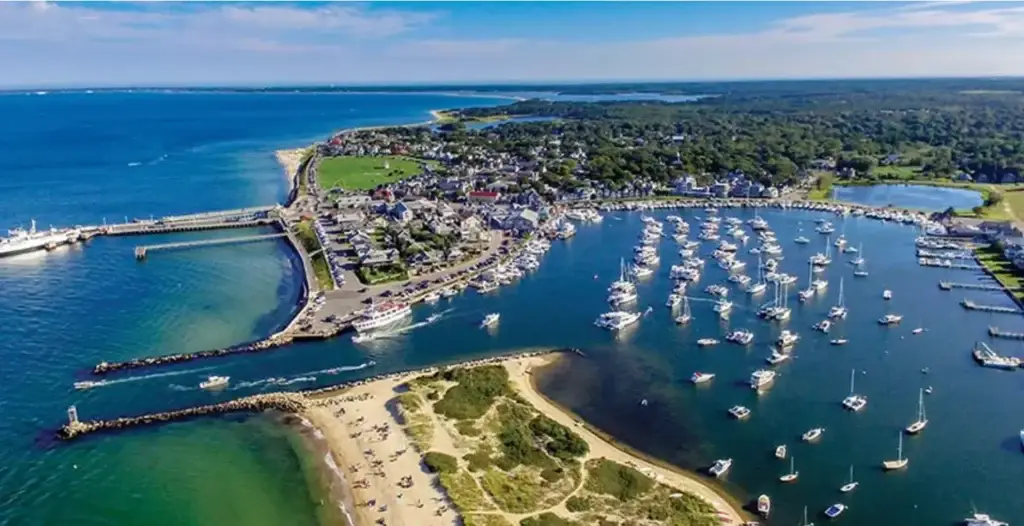
A closed loop cruise is best suited for U.S. travelers who want a simple, domestic-friendly way to cruise, departing and returning from the same U.S. port without the added complexity of international travel logistics. It’s designed for convenience first: fewer moving parts, easier planning, and more flexibility with documentation. Here’s who benefits most from that setup.
Travelers Without a Passport (But Still Prepared)
One of the main reasons closed loop cruises are popular is because in most cases, travelers don’t need a passport. You need two things to board: a valid government-issued photo ID and a certified copy of your birth certificate, meaning an official copy with a raised seal from the vital records office in the state where you were born, not a photocopy or a hospital souvenir record.
Children need that same certified birth certificate and nothing more. If a child is traveling with only one parent, or with a grandparent or other non-parent guardian, bring a notarized letter of consent from the absent parent, including their contact information, the travel dates, the destination, and explicit permission to travel. Some cruise lines require this letter outright, and a denied boarding over a missing letter is entirely preventable.
Domestic U.S. Travelers
Closed loop itineraries sail from dozens of U.S. home ports, including Miami, Tampa, Galveston, New Orleans, Seattle, New York, Baltimore, and Charleston. Caribbean sailings from Miami, Tampa, or Galveston typically call at Cozumel, Costa Maya, Nassau, Grand Cayman, or Puerto Rico, running three to ten nights. Bermuda sailings from New York or Baltimore usually run seven nights with generous time in port. Alaska sailings from Seattle qualify too, though itineraries beginning or ending in Vancouver don’t, since that’s a foreign port and it breaks the loop.
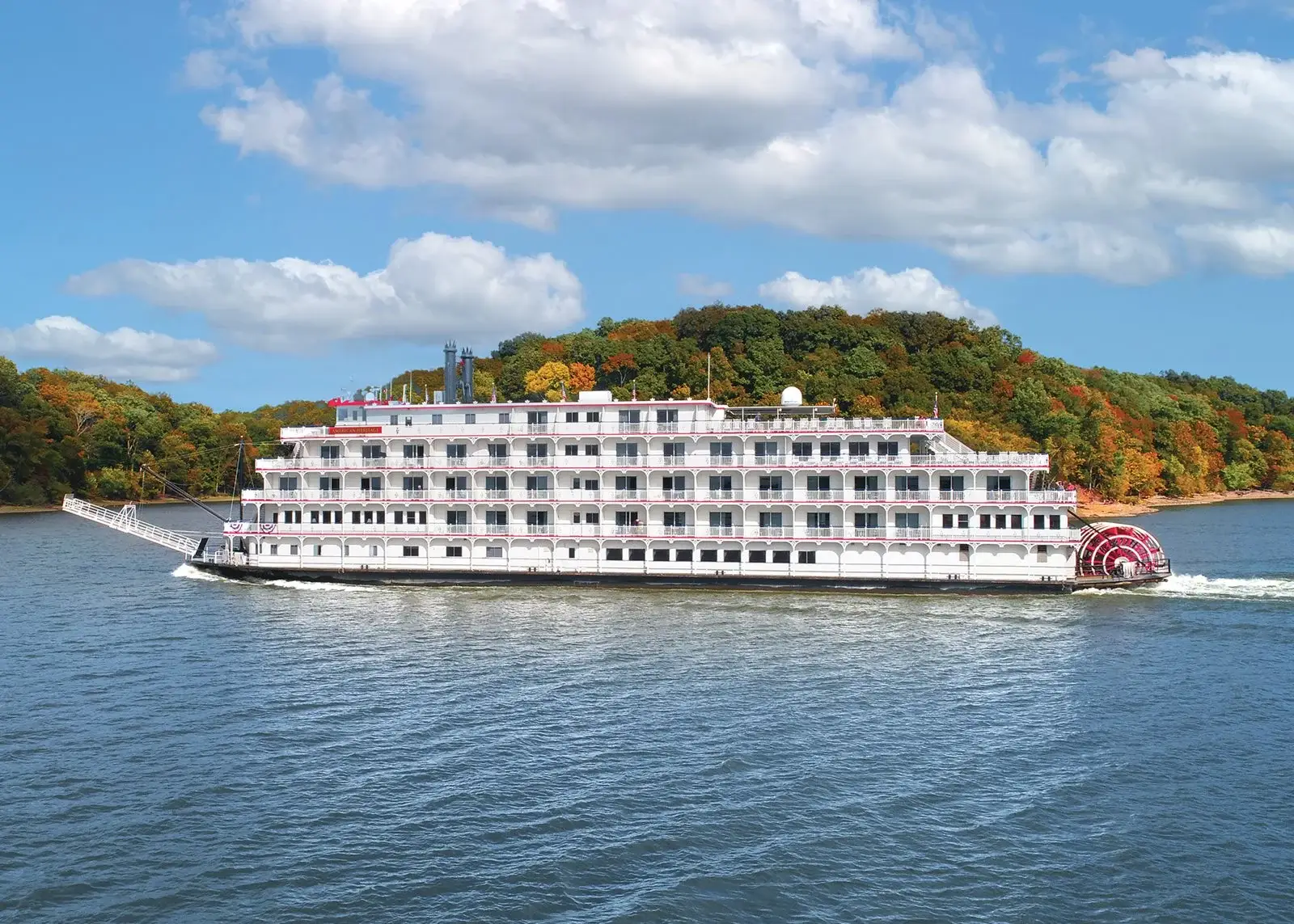
For the traveler who wants domestic to mean domestic, start to finish, American Cruise Lines never leaves U.S. waters at all. Their Mississippi and Columbia River itineraries sail roundtrip from ports like New Orleans and Portland, their fleet runs across more than 50 itineraries in 35 states, and their Great Lakes sailings were built with no Canadian ports whatsoever. There’s no documentation question to verify, because there’s nothing to verify.
Travelers Driving to Port
Because closed loop cruises start and end in the same location, they’re ideal for travelers who prefer to drive rather than fly.
With major U.S. cruise ports spread across the country, many travelers can:
- Park at the port
- Board within minutes
- Return directly to their vehicle after the cruise
It removes an entire layer of travel planning and makes the trip feel more contained and predictable.
One car, one parking arrangement, no coordinating a different airport on the other end of the trip. Multi-day parking rates at a major terminal typically run $20 to $30 per day, which adds up to $140 to $210 across a seven-night sailing, but that’s still one cost instead of two flights and a rental car.
Budget-Conscious Cruisers
Closed loop cruises can help reduce overall travel costs by eliminating several expenses that come with international departures. Because the ship leaves from and returns to the same U.S. port, several cost categories disappear before you’ve even packed a bag:
- No International Flights: Driving to a home port like Galveston, Tampa, or New Orleans replaces the cost of flying to and from a foreign embarkation city entirely.
- No One-Way Repositioning Fares: Open-jaw itineraries often require a separate one-way flight home from wherever the ship disembarks, a cost a closed loop itinerary avoids by design.
- No Currency Exchange: Onboard charges and most excursions run in U.S. dollars, so there’s no conversion fee eating into the trip budget.
- Shorter Sailing Options: Three- and four-night closed loop itineraries exist specifically for travelers who want a real cruise without committing to a full week of time off and expenses.
- Group and Regional Rates: Ports concentrated along the Gulf Coast and East Coast make it easier to organize a group from a single region, which often opens up better group cabin pricing than a scattered international meeting point would.
Closed Loop Cruise Itineraries Worth Knowing About
Picture waking up somewhere different every single morning without ever boarding a plane. One day it’s a plantation avenue lined with two-hundred-year-old oaks, the next it’s a glacier field, then a stretch of water so clear you can see straight to the bottom. That’s the range hiding inside a handful of round-trip domestic itineraries most travelers have never thought to look into.
Mississippi River Cruise

Sail round trip from historic New Orleans on a journey through some of the most storied stretches of the American South. Oak Alley greets you first, a sweeping 19th-century plantation home framed by a live oak canopy planted two centuries ago and somehow still perfectly intact. From there it’s on to Natchez, all wrought-iron balconies and antebellum charm, before Vicksburg, where Civil War battlefields and the salvaged ironclad USS Cairo bring the river’s history vividly to life.
Both American Cruise Lines and Viking sail this route, Viking aboard the graceful 386-guest Viking Mississippi, and either way, you’ll be back in New Orleans in time for one last evening of jazz and Creole cooking in the French Quarter.
Columbia & Snake River Cruise
Columbia & Snake River Cruise follows the same path Lewis and Clark followed to the Pacific through the dramatic Columbia River Gorge, where basalt cliffs tower hundreds of feet above the water and waterfalls tumble straight into the river below. Marvel at Multnomah Falls, one of the tallest waterfalls in the country, and venture into Hells Canyon, the deepest gorge in North America, on a thrilling jet boat excursion.
Most sailings here run one way between Portland and Clarkston, though a new sixteen-day round trip from Portland debuts in 2027 for travelers who’d rather see the whole river without giving up the ease of returning to where they started. With a variety of itineraries available, Columbia River cruise cost can vary depending on the cruise line, sailing length, and included experiences.
Grand New England Cruise
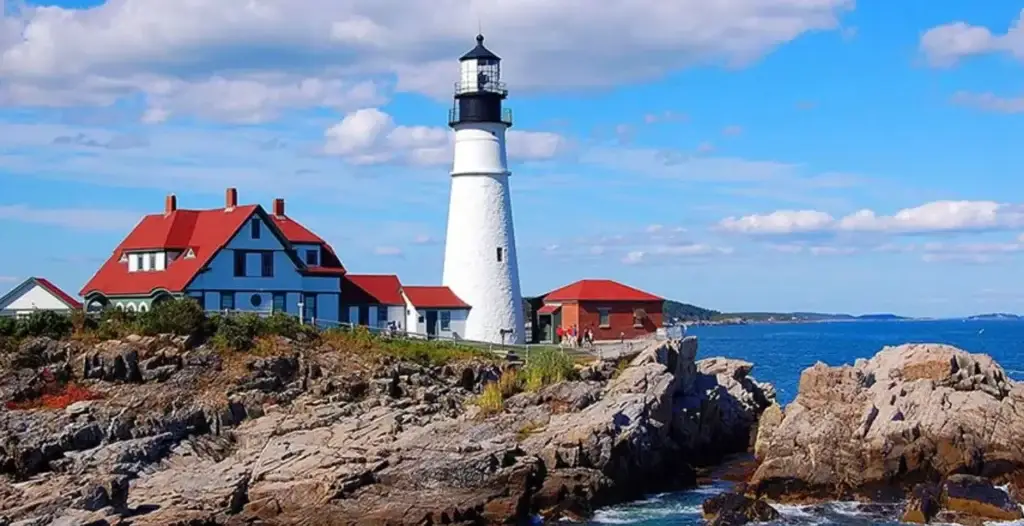
Spend two unforgettable weeks tracing the entire New England coastline on the Grand New England Cruise, and barely see the same view twice. Sail out of historic Boston up the rugged coast of Maine, through charming Portland, Bath’s centuries-old shipbuilding harbor, and picturesque Boothbay Harbor, all the way to Bar Harbor, your gateway to the granite cliffs and hidden coves of Acadia National Park.
Wind back south through Rockland and Camden, then into Gloucester, America’s oldest seaport, where working fishing schooners still ply the same waters they have for generations. Round out the journey with the Gilded Age mansions of Newport, the cobblestone lanes of Nantucket, and breezy afternoons on Martha’s Vineyard before sailing home into Boston Harbor.
Great Lakes River Cruise
Discover a destination so requested, American Cruise Lines built an entirely new itinerary around it. Set sail from Milwaukee for nine days through Lake Michigan and the wild beauty of the Upper Peninsula, docking somewhere new and delightful each morning.
Wander Fayette’s beautifully preserved 19th-century company town, sample authentic Swedish pastries in charming Escanaba, and marvel at more than seventy vintage locomotives at Green Bay’s National Railroad Museum. Back in Milwaukee, enjoy a docent-led tour through the Harley-Davidson Museum before you ever step aboard.
Northwest National Parks

Combine three of America’s most breathtaking national parks with a scenic small-ship cruise for an unforgettable fifteen days. Begin with a week exploring Mount Rainier, Olympic, and North Cascades National Parks, where the turquoise waters of Diablo Lake and more than three hundred glistening glaciers steal the show before you even reach the water.
Then set sail through the tranquil beauty of Puget Sound, stopping in charming Friday Harbor and the idyllic San Juan Islands, with a scenic visit to Deception Pass and its dramatic bridge linking Whidbey and Fidalgo Islands.
Southeast Alaska Cruise
Experience the Inside Passage at its most concentrated on this round trip from Juneau. Visit charming Petersburg, often called Little Norway for its Scandinavian roots, then spend a full day marveling at the towering tidewater glaciers of Glacier Bay National Park. Wander the wooden boardwalks of Skagway, still frozen in its Gold Rush heyday, before arriving in Haines for the Valley of the Eagles, one of the largest gatherings of bald eagles found anywhere on the continent. It’s classic Alaska, wrapped into a single unforgettable week and a half.
Get Expert Guidance on Closed Loop Cruises from Yellow Umbrella Travel

Planning a closed loop cruise sounds simple on paper, but the details are where most trips either run smoothly or fall apart. Yellow Umbrella Travel brings nearly two decades of group travel expertise, with proven systems for managing complex itineraries, multiple travelers, staggered payments, and firm deadlines.
As a trusted travel agency, our team doesn’t just book cruises; they guide you to the right ship, destination, and itinerary based on our knowledge of river cruising, ensuring the experience actually fits your group from the start. We’re proud to be counted among the top group travel agencies in the United States.
That experience shows up where it matters most, avoiding mistakes. From confirming closed loop eligibility to walking clients through exact documentation requirements, we eliminate common issues that can disrupt a trip before it begins. Backed by hundreds of five-star client experiences and a dedicated team of travel professionals, Yellow Umbrella Travel turns what could be a high-effort planning process into a structured, well-managed journey, giving you confidence that every detail is handled before you even step on board.
FAQs About Closed Loop Cruises
Can I get off the ship on a closed-loop cruise without a passport?
Yes, U.S. citizens can go ashore at every port on a closed-loop cruise using just a government-issued photo ID and a certified birth certificate with a raised seal. This exemption comes from the Western Hemisphere Travel Initiative and applies specifically because the sailing departs and returns to the same U.S. port.
Which cruise lines offer closed-loop cruises?
American Cruise Lines runs closed-loop itineraries, including round-trip Mississippi River sailings from New Orleans. American Cruise Lines takes it further with roundtrip Columbia River, Great Lakes, New England, and Alaska routes that never leave U.S. waters at all.
Do you go through customs on a closed-loop cruise?
You’ll clear a re-entry check when the ship returns to its home port, but it’s a lighter process than a passport-based international return. Since the sailing starts and ends at the same U.S. port under the Western Hemisphere Travel Initiative exemption, a birth certificate and photo ID are all that’s required to clear it.
Ready to Plan Your Closed Loop Cruise?
A closed loop cruise offers one of the easiest ways to explore new destinations while keeping the planning simple, and knowing whether your itinerary actually qualifies is the detail worth getting right before you book.
Yellow Umbrella Travel has been planning group events since 2009, from our home base in New Braunfels, Texas. Planning is always complimentary for the people we work with, since the cruise line pays our commission rather than you paying a planning fee. Email us at cheryl@yellowumbrellatravel.com and we’ll confirm your closed loop eligibility and handle every document question before you set sail.