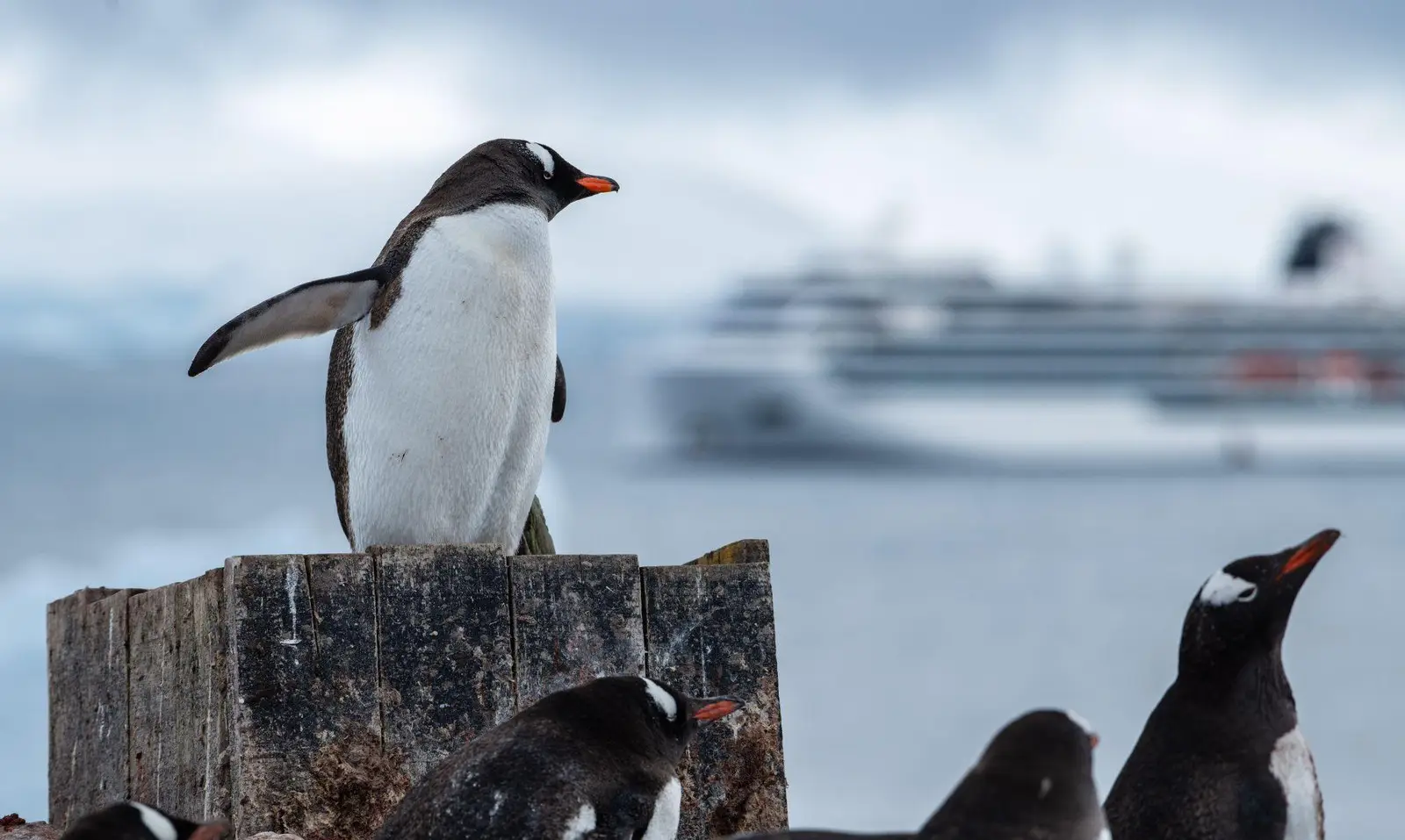
Alaska has dozens of itineraries and ship sizes to choose from, but the best Alaska cruise for first timers is the one that fits how your group wants to spend its days. For most travelers, that means an Inside Passage sailing of a week or more, with a full glacier day and real time in each port.
Islands shelter most of the route from the open ocean, and fjords like Endicott Arm end at tidewater glaciers such as Dawes. Good Alaska cruise planning points you to the small ships that bring you closest to those glaciers and to the wildlife and towns along the way.
Five Choices Behind the Best Alaska Cruise for First Timers
Alaska’s cruise season runs from May through September, and nearly every sailing covers part of the Inside Passage. This is the sheltered coastal route of islands and fjords between Washington State and Southeast Alaska.
Five choices separate a smooth first trip from a rushed one, from the route and the ship size to the glacier day, time in port, and trip length. Each one builds on the one before it, starting with the route, since it decides your flights and your documents.
Start With a Round-Trip Inside Passage Route
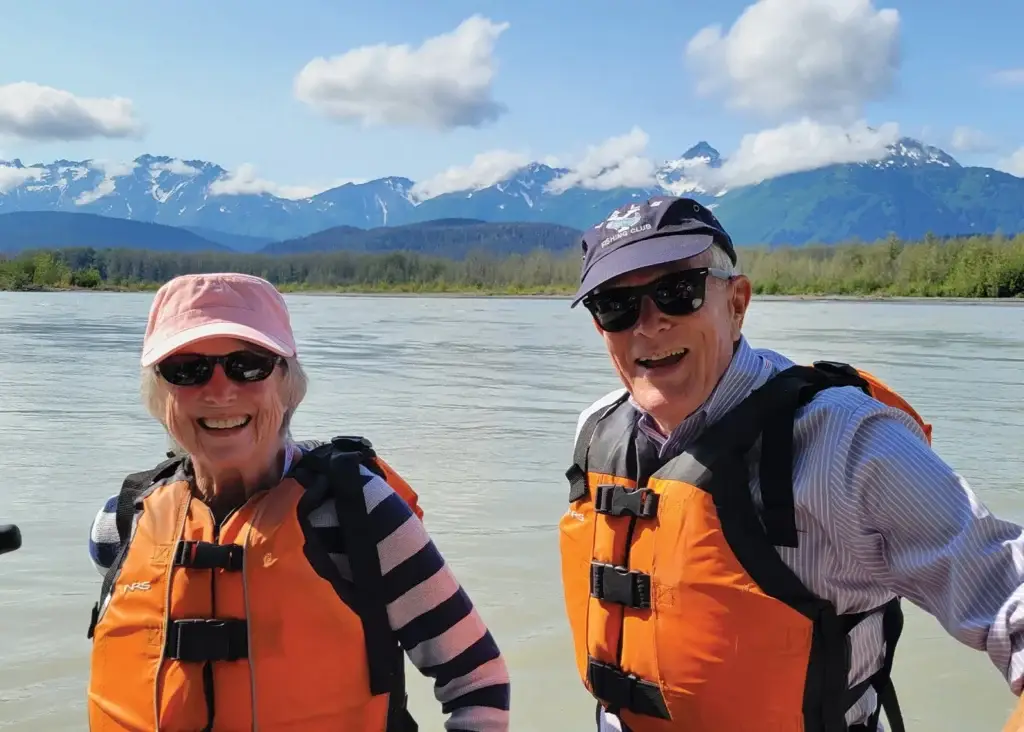
For a first trip, a round-trip Inside Passage sailing is the simpler choice, with one flight in and out of the same city and calm, island-protected water for most of the route. Large ships sail these round trips from Seattle and Vancouver, while small U.S.-flagged ships start and end in Juneau. One-way Gulf of Alaska sailings between Vancouver and Seward reach farther north and suit travelers adding Denali on land.
The route also decides your documents. American Cruise Lines’ Alaska sailings stay within the United States, so U.S. citizens need no passport unless an excursion crosses into Canada. Closed-loop sailings from Seattle also let U.S. citizens cruise without a passport, while flying into or out of Vancouver requires a passport book.
Pick the Ship Size That Matches Your Days
Ship size shapes almost everything about a first Alaska cruise, from the crowd at the rail to the towns the ship can reach.
| Small Coastal Ship | Large Ocean Ship | |
|---|---|---|
| Guests Aboard | 130 to 170 on American Cruise Lines’ Alaska ships | 2,000 or more |
| Ports | Smaller towns like Petersburg and Wrangell alongside Juneau and Ketchikan | The main ports, often shared with several other ships |
| Glacier Day | A closer, quieter view with room at the rail | Wide decks shared with many more guests |
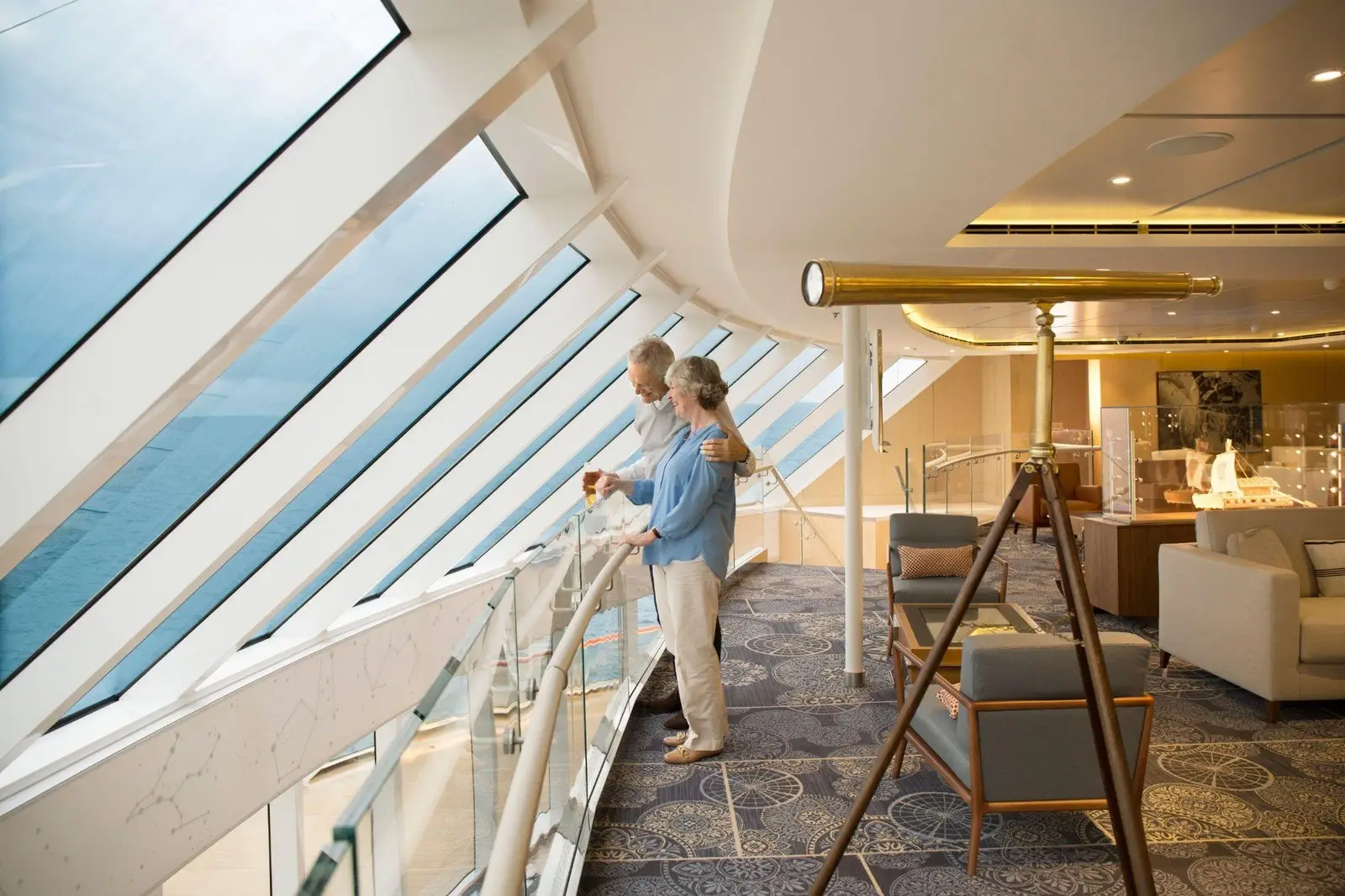
| Onboard | Observation decks, onboard historians, and a private balcony in every stateroom | Pools, shows, and many restaurants |
For a trip centered on glaciers, wildlife, and small towns, the small ship puts more of Alaska within reach. If you have enjoyed big-ship cruising, a small ship feels like a different way to travel, not a step down.
Make Sure the Itinerary Includes a Full Glacier Day
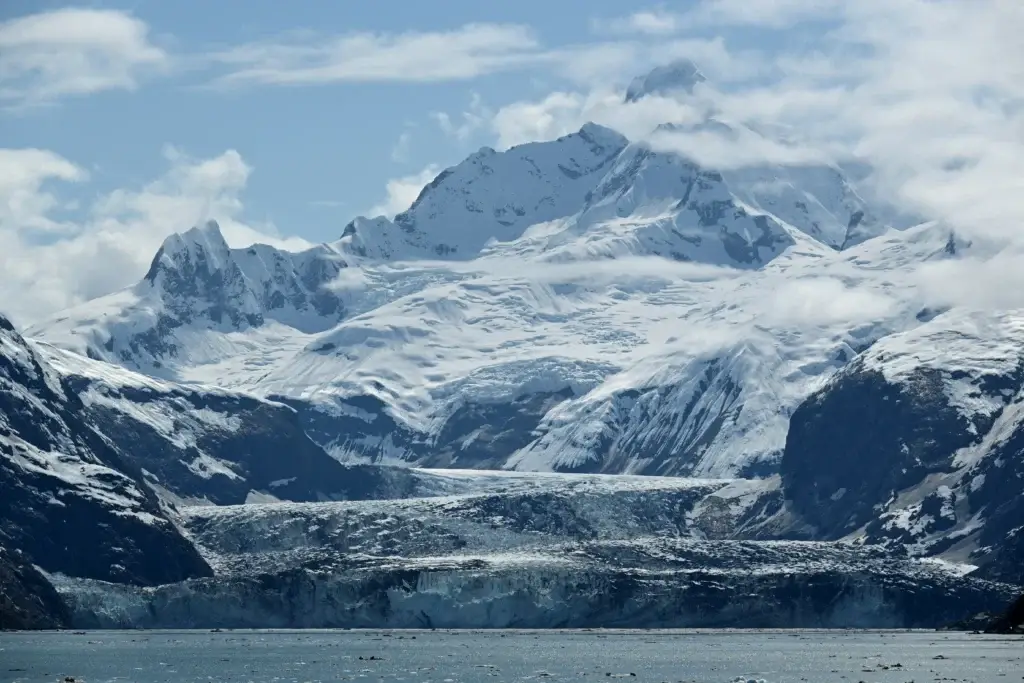
Tidewater glaciers are the defining sight of an Alaska cruise, so the itinerary should name a full glacier day. Glacier Bay National Park is the best-known option. The National Park Service notes that cruise ships typically spend 9 to 10 hours in the bay with park rangers aboard, and that many Alaska cruises never visit the park.
Look for “Glacier Bay National Park” in the itinerary itself, since “scenic cruising” can mean somewhere else. If the park is your top priority, choose sailings built around Glacier Bay cruising.
Endicott Arm is a narrow fjord of granite walls and waterfalls that ends at Dawes Glacier, and neighboring Tracy Arm leads to the twin Sawyer Glaciers. Hubbard Glacier, one of the largest cruise ships visits, sits at the head of Disenchantment Bay.
Check How Long the Ship Stays in Each Port
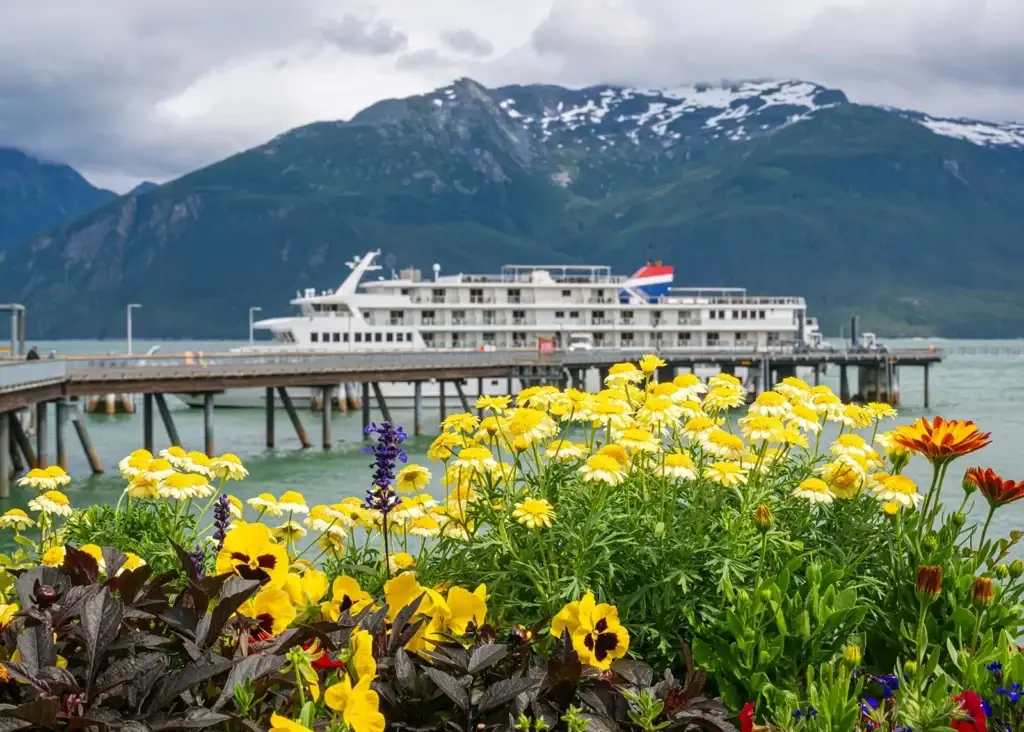
Most Inside Passage sailings stop at the same handful of towns, so the hours you get in each one matter most. A short call leaves room for one excursion, while a full day adds time for a hike or a walk through town.
| Port | What Stands Out | Best For |
|---|---|---|
| Juneau | Mendenhall Glacier and whale watching | Glacier access and wildlife |
| Ketchikan | Totem poles and Misty Fjords National Monument | Alaska Native culture and scenic flights |
| Skagway | White Pass and Yukon Route Railway | Gold Rush history and mountain views |
| Sitka | Russian and Tlingit history and the Alaska Raptor Center | Travelers who like to explore on their own |
| Icy Strait Point | Huna Tlingit-owned port with whale watching nearby | Culture and wildlife close to the dock |
| Victoria, BC | Butchart Gardens and a walkable harbor | A calm city day on Seattle round trips |
Busy ports also share their streets with several ships at once. Juneau, for example, now limits cruise visitors to 16,000 a day and 12,000 on Saturdays.
Decide Between Seven Nights and a Longer Sailing With Denali
A seven-night sailing covers the Inside Passage highlights, usually three or four ports and one glacier day. Small-ship itineraries of 9 to 12 days add quieter towns like Petersburg and Wrangell and can fit a second glacier day.
A cruise-and-land package goes further, pairing the coast with several nights around Denali National Park, home to North America’s highest peak. If you may only visit Alaska once, those days inland are worth a serious look.
Pick the Best Cruise Line for Your First Alaska Trip
American Cruise Lines fits the five choices above most closely. The line builds, flags, and crews its ships in the United States, so they can sail only between Alaska ports with no stop in Canada. Its 9-day Southeast Alaska round trip and 12-day Alaskan Explorer both spend a full day in Glacier Bay and another in Endicott Arm, with meals, beer, and wine included.
Viking suits travelers who want a larger, adults-only ocean ship of about 930 guests. Its 11-day Alaska and the Inside Passage itinerary sails one way between Vancouver and Seward, passes Hubbard Glacier, and includes a guided tour in every port.
Large ocean ships run many departures from Seattle and Vancouver and bring more onboard entertainment. For a first trip built around the scenery, the small-ship routes give you two glacier days with far fewer people at the rail.
Wildlife and Excursions for a Fuller First Trip
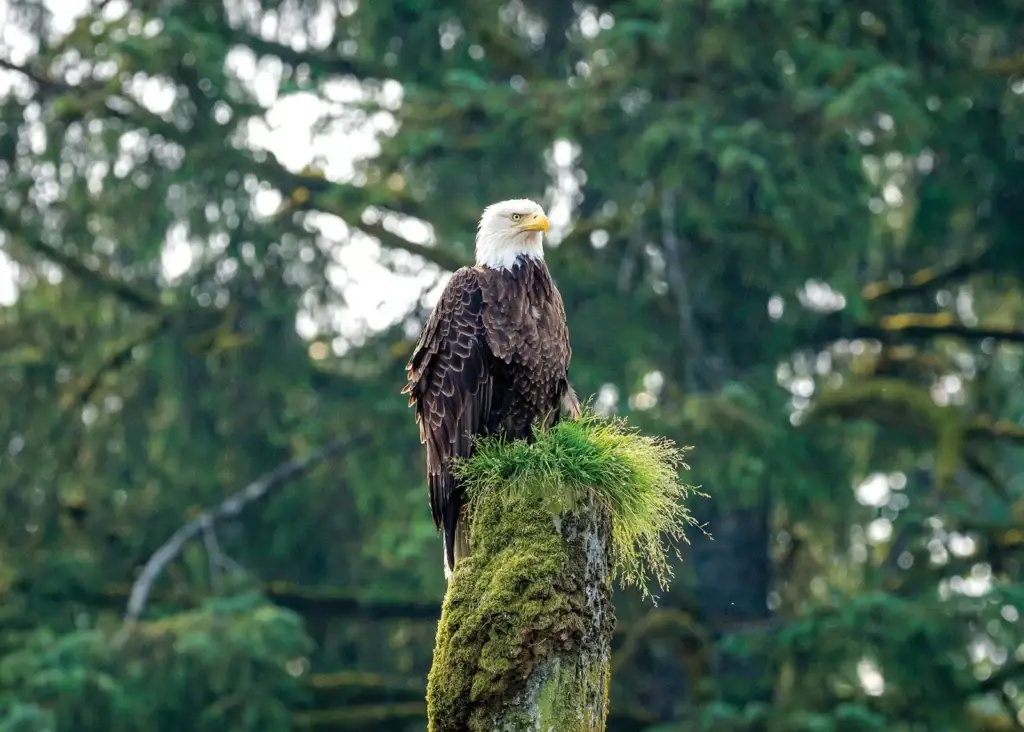
Beyond the glaciers, wildlife fills many of the quiet hours on deck. Sightings depend on the season, the weather, and luck:
- Humpback Whales: They feed in the Inside Passage from spring into fall, with the most activity from late June through August.
- Orcas: Pods travel Southeast Alaska’s channels, though they are harder to predict than humpbacks.
- Bald Eagles: They are common near harbors and rivers in nearly every port.
- Bears: Guided land excursions near salmon streams give you the best views of brown and black bears in July and August.
- Sea Otters and Steller Sea Lions: They often rest near docks, buoys, and rocky points.
For whales, a dedicated whale-watching tour from Juneau gives you far better odds than the deck. Local operators work the same feeding grounds all season and know where to look.
Popular excursions like whale watching, the White Pass railway, and floatplane trips can sell out months ahead. Reserve them soon after you book, and pack layers for those hours outdoors, since the weather on a whale-watching boat or a glacier trail can swing from sun to cold rain in an afternoon.
Book the Right Month and Secure Cabins for Your Group
June brings the longest days of the season. July and August bring the strongest whale activity, along with the highest fares and the busiest ports.
May tends to be the driest month of the season, with quieter towns and lower prices, while September brings more rain in exchange for the same savings. The best time to cruise Alaska depends on whether you’re chasing daylight, whales, or value.
Plan to book about 9 to 12 months ahead for a summer sailing. Small ships have far fewer cabins, so popular June and July dates can fill earlier.
Groups that want cabins together should start 12 to 18 months out. A group contract holds a block of cabins at locked-in pricing. It can also unlock priority cabin selection, group amenities, and tour conductor credits that individual bookers can’t access.
Yellow Umbrella Travel: Matching First-Timers to the Right Alaska Cruise
The cruise line sells cabins, but we can tell you which ship and itinerary fit your first Alaska trip, from the glacier days to the time in port. As a trusted travel agency, we hold American Cruise Lines Specialist and Viking Expert credentials, official ASTA members, and bring nearly two decades of group travel experience. By using that mix of experience and knowledge, we can help you plan the perfect Alaska cruise that fits you. Our services are complimentary with no pressure and fees.
Planning a First Alaska Cruise: FAQs
Are shore excursions included on an Alaska cruise?
It depends on the line. American Cruise Lines includes select excursions, and Viking includes a guided tour in every port. Most large ships charge for excursions separately, so compare what each fare covers before you compare prices.
Will I get seasick on an Alaska cruise?
Usually not on smaller ships, since the ride stays calm for most of the route. However, there is a greater possibility of this on larger cruise ships. The Gulf of Alaska crossing on one-way sailings is the rougher leg, and a midship cabin on a lower deck moves the least.
Is a balcony worth it on an Alaska cruise?
For most travelers, yes, because glacier days and scenic sailing happen right outside your cabin. Personally, we would not book an Alaskan cruise without a balcony. However, if you plan to spend little time in your cabin, on larger ships the upgrade costs noticeably more per person than an inside cabin, so price both before you decide.
How much does a first Alaska cruise cost?
American Cruise Lines’ 9-day Southeast Alaska cruise lists 2027 fares from about $6,800 to $7,900 per person, depending on the date, with meals, beer, and wine included. Flights are extra unless an airfare offer applies. Large-ship fares usually start lower, but drinks and gratuities are often extra.
Choosing Your First Alaska Cruise With Confidence
Whether this trip marks an anniversary, a retirement, or a reunion with friends, the right sailing should feel built around your group. That means a ship sized for how you travel, a glacier day you share with fewer than 200 guests instead of a few thousand, and time in port to explore at your own pace.
Our team has planned group travel since 2009 from our home base in New Braunfels, Texas, for travelers across the country. Planning costs you nothing extra, since the cruise line pays our commission. Email cheryl@yellowumbrellatravel.com, and we’ll help you compare Alaska routes, ships, and sailing dates for your group.