If your first cruise is on the calendar, the first time cruise tips that save the most stress come down to five decisions: choosing the right ship size, knowing what your fare covers, arriving a day early, packing lighter than feels comfortable, and treating the all-aboard time as a hard deadline. Get those right and the rest of the trip mostly takes care of itself.
We’ve sailed rivers, coastlines, and polar waters ourselves, and the tips below come from those trips and from the lessons first-timers usually learn the hard way. They apply whether you’re flying to Europe, heading to the ice, or booking one of the USA river cruises that skip the passport and the jet lag.
Choose the Ship Size That Fits the Trip You Want
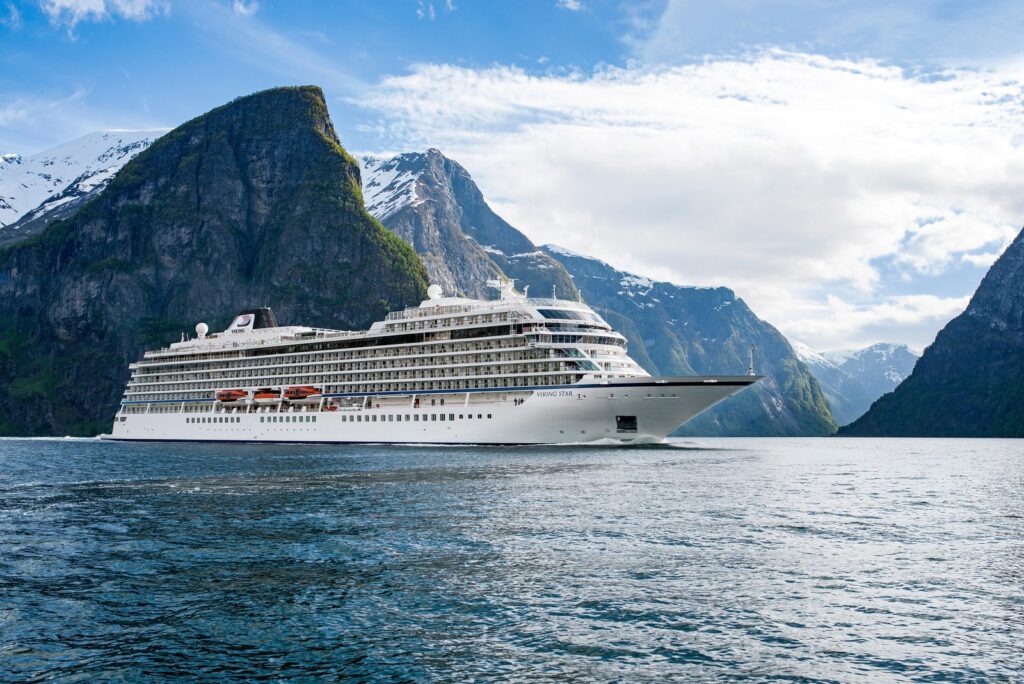
Ship size shapes almost everything about a first cruise, from how many people share the deck to how quickly you step off in port. Size decides the experience before you ever pick a cabin:
- Large Ocean Ships: These carry thousands of guests and pack in pools, shows, and multiple restaurants, with ports that often sit outside the town center.
- Small Coastal Ships: With a few hundred guests or fewer, these reach smaller harbors and trade big production shows for more time in each town.
- River Ships: Rivers keep you in sight of land on calm water, and the ship usually docks within walking distance of the old town.
- Expedition Ships: Built for remote places, these swap stage shows for naturalist teams, Zodiac landings, and wildlife you watch from a few yards away.
If you have loved big-ship cruising, a smaller ship will feel like a different kind of travel rather than a step down. An Antarctica expedition cruise and a week on the Danube have almost nothing in common with a Caribbean mega-ship, and that contrast is often the whole point.
Book Early Instead of Waiting for a Last-Minute Deal

Ocean cruise veterans often expect prices to drop close to sailing. Smaller ships rarely work that way. Popular river, coastal, and expedition departures often sell out a year or more ahead, and expedition sailings to places like Antarctica can fill 12 to 18 months out.
On our Grand New England cruise, we landed a cabin with only four days’ notice after a last-minute cancellation. It worked out beautifully, but we paid the same fare as the guests who booked a year earlier. No discount, just luck. If a specific itinerary or travel date matters to you, book early and treat a last-minute opening as a rare bonus, not a plan.
Compare Neighboring Cabin Categories Before Paying for a Higher Deck
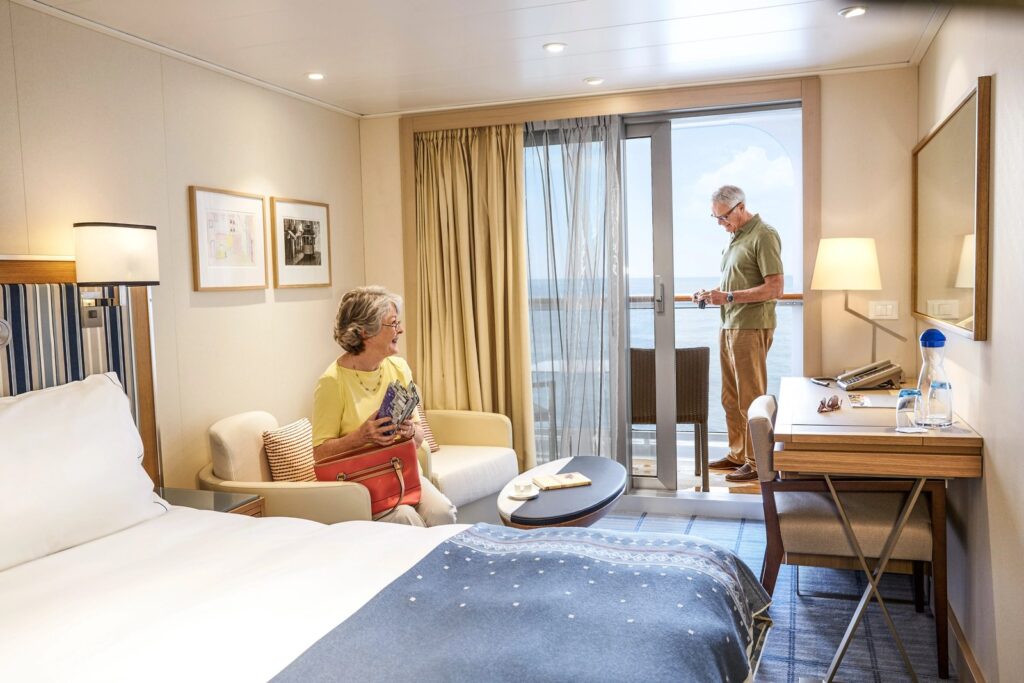
Higher decks usually cost more, and first-timers tend to assume a higher price means a better room. Check the deck plan before you believe that. On that same New England sailing, we walked the ship and found that the category one deck below ours had the same square footage, the same layout, and the same view for roughly $700 less per person. If we booked again, we would take the lower deck and keep the savings.
Location matters as much as category. If you worry about motion, choose a cabin midship on a lower deck, where the ship moves the least. If you’re sailing in winter, think twice about a balcony upgrade. Cold weather and port-heavy days mean many winter cruisers never open the balcony door once.
Know Exactly What Your Fare Covers
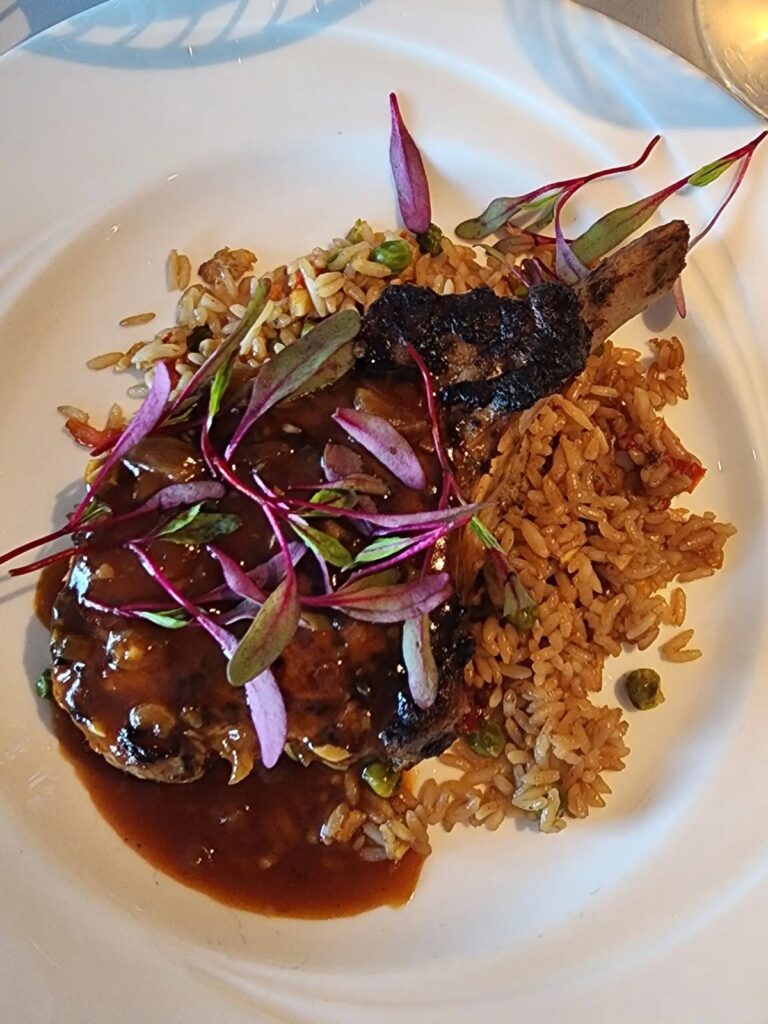
Cruise fares range from nearly everything included to a base price with a long list of extras. Large ocean ships often charge separately for drinks packages, specialty restaurants, Wi-Fi, gratuities, and most shore excursions. Many river, coastal, and expedition fares fold meals, wine with dinner, daily excursions, and gratuities into one price, so the fare that looks higher at first often lands closer than you expect once you add up the extras.
Before you compare two cruises, list what each fare includes line by line: gratuities, excursions, drinks, Wi-Fi, and airport transfers. Then look at the small costs that surprise first-timers, like onboard pharmacy prices, laundry service, and roaming charges.
Protect the Trip With Insurance and a Travel Alert Signup
Medical care at sea and in foreign ports can get expensive fast, and your at home medical insurance policy may not cover days on a ship. Choose travel insurance that names cruises specifically, covers medical evacuation, and protects you against missed connections and lost luggage. Read the exclusions page first, since that’s where the surprises hide.
For international sailings, enroll in the Smart Traveler Enrollment Program before you leave. It’s free, and it lets the nearest U.S. embassy reach you if conditions change while you’re abroad. When you check travel advisories, read past the headline level to the actual regions listed, because a country-wide number rarely tells you whether your specific ports sit anywhere near a restricted area.
Plan for Motion Before You Choose an Itinerary

Seasickness worries almost every first-timer, and the answer depends more on the water than the ship. European rivers are so smooth you can forget you’re moving at all. Small coastal ships tell a different story. On open-ocean stretches, a smaller vessel can rock and sway more than a large ocean liner, which surprises people who assume small always means calm.
If motion bothers you, talk to your doctor about preventive options before you sail, book midship on a lower deck, and give yourself a night to adjust, since many people feel off on the first evening and fine by morning. For polar travel, look at fly-cruise itineraries. Ours flew straight to the ice and spent zero nights crossing the Drake Passage, one of the roughest stretches of water on the planet.
Arrive a Day Early and Arrange Transfers Ahead of Time
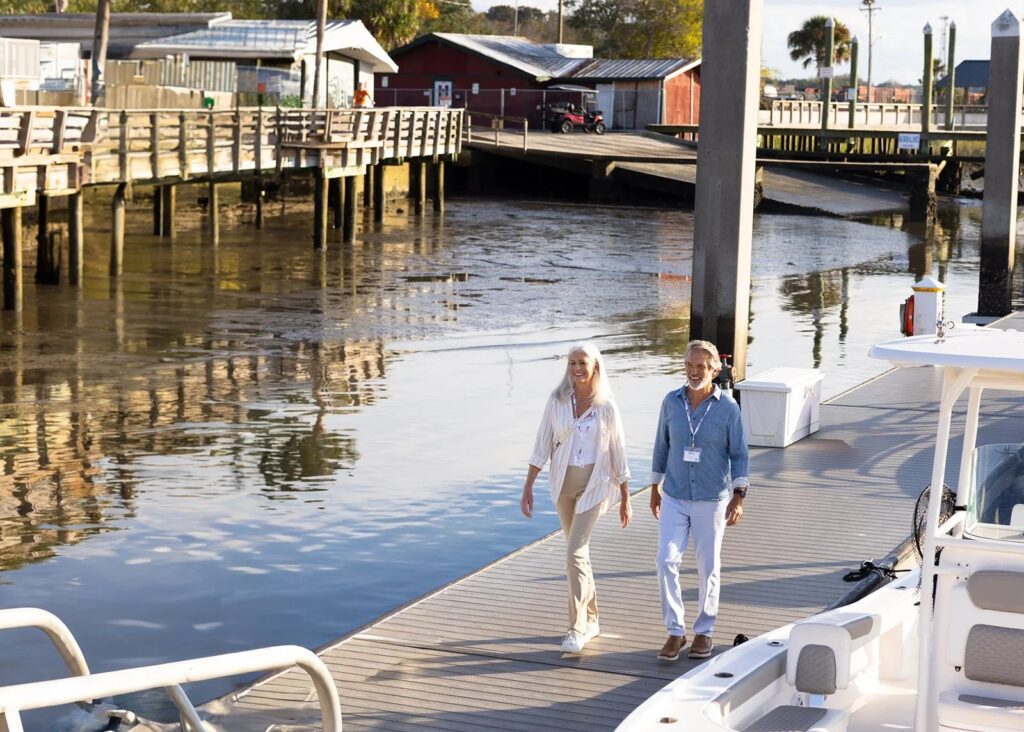
Flying in the morning your ship departs leaves no room for a delayed flight or a lost bag. Arrive at least one day early, or two to three if you’re crossing time zones and want to see the city. A pre-cruise land program works well on a first cruise too, since you meet fellow travelers and board rested instead of rushed.
Airport transfers deserve the same planning. On our 12-day trip to Egypt, a representative met us before passport control, walked us through immigration in minutes, and had a car waiting outside. That one prearranged service turned the most stressful hour of the trip into a non-event.
Pack a carry-on with medications, a change of clothes, and toiletries, since checked bags can take hours to reach your cabin. Traveling with a partner? Split your clothes between both suitcases so one delayed bag doesn’t leave either of you with nothing to wear.
Pack Half of What You Think You Need
Cabins have less storage than hotel rooms, and most first-timers bring home clothes they never wore. Plan three to four days of outfits in a few colors that mix and match, and do laundry midway through. Many smaller ships offer guest washers and dryers, and dress codes on smaller ships often lean more casual than first-timers expect. A few items earn their space every time:
- Two Pairs of Broken-In Walking Shoes: If one pair gets soaked on a rainy walking tour, you still have a dry pair for the next day.
- A Light Sweater or Jacket: Open decks get windy after dark, and dining rooms often run cold with air conditioning.
- A Hat With a Chin Strap: Deck breezes carry off loose hats, especially while the ship is underway.
- A Small Medical Kit: Blister pads, pain reliever, stomach and allergy medicine, and cold remedies cost less at home than at an onboard shop or a small-town pharmacy.
- A Small Night-Light: A plug-in or motion-sensor light helps you find the bathroom in an unfamiliar, pitch-dark cabin.
Before you pack a power strip for extra outlets, check your cruise line’s prohibited items list. Many lines ban surge-protected strips, so a compact USB charging hub is often the safer choice.
Start Walking Before You Sail

Most river and small-ship itineraries include a guided walking tour nearly every day, and even an easy day in port can reach 10,000 to 15,000 steps on cobblestones, hills, and uneven pavement. Build up your daily walking a few weeks before departure so your first port feels like fun instead of a workout. Many lines grade excursions by activity level, so choose gentle options on the days you need a break.
If you use a walker or a scooter, a small ship can still work well. On our New England sailing, we watched the crew give a scooter user priority boarding at every stop and help move the scooter on and off each time. Travelers who rely fully on a wheelchair face a harder trip on itineraries with daily tenders, shuttles, and uneven piers, so ask about those details before you book.
Use Your First Hours Onboard to Get Ahead
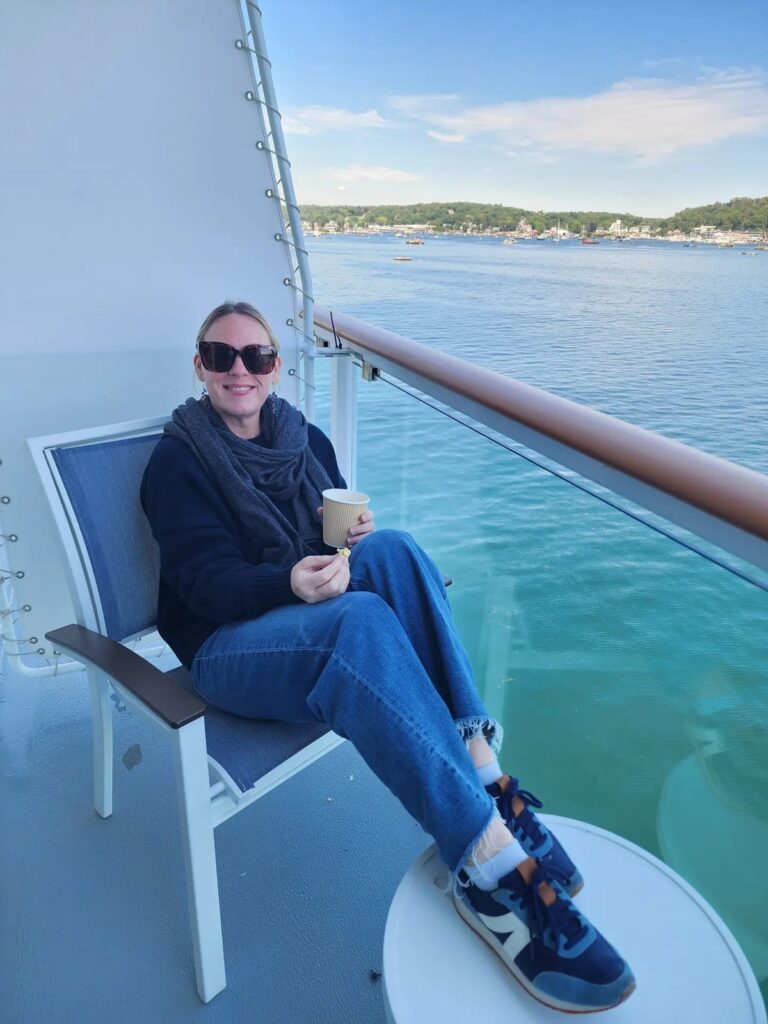
Once you board, resist the urge to rush straight to lunch. Walk the ship, find your muster station, and learn where the lounge, dining room, and reception desk sit. Confirm your dinner arrangements and any special requests early, while the crew has time to adjust.
Ask the crew for what you want on day one, even if it’s not in the brochure. On our luxury Antarctica expedition, we asked the ship’s photographer on boarding day whether he could join us on a few excursions for private photos. He only had room for a handful of guests each sailing, so asking early made the difference. Those photos of us with penguins and glaciers rank among our favorites from any trip.
While you’re settling in, switch your phone to airplane mode or turn off data roaming. Phones keep searching for a signal at sea and can rack up steep charges before you notice.
Build Port Days Around What Interests You
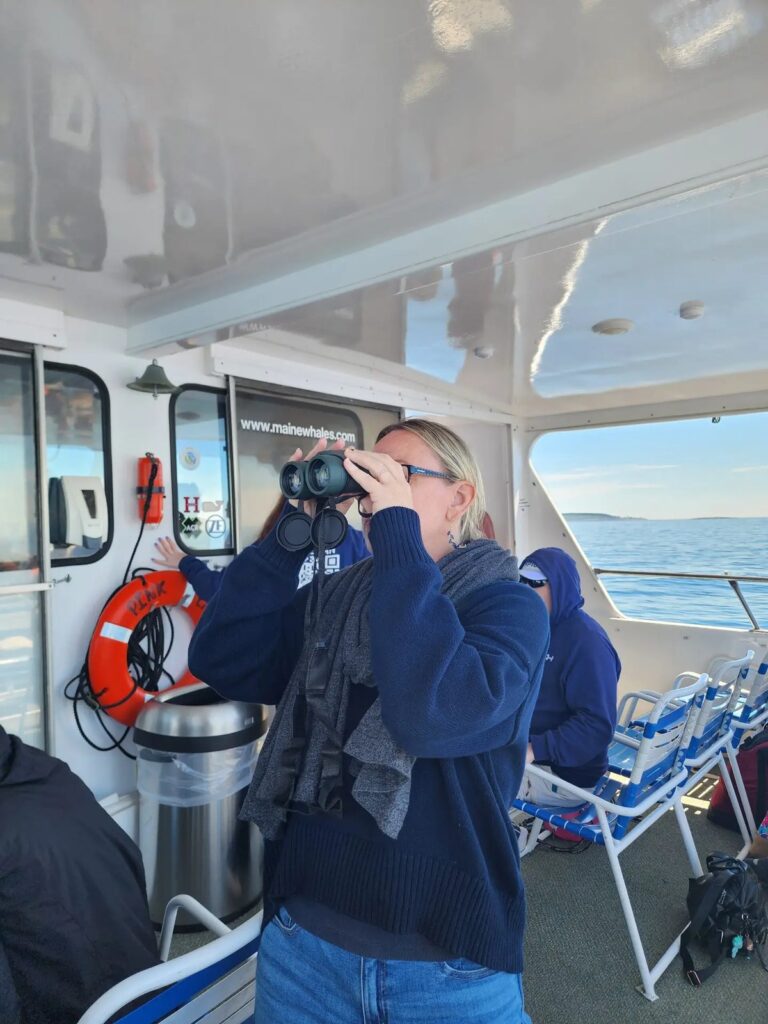
You don’t have to take every included tour, and some of the best days come from wandering on your own. On that New England trip, our favorite stop was the day we rented a car in Sconset, Nantucket, walked past rose-covered cottages, and ate lunch at a small sandwich shop with no schedule. When a bakery or local market catches your eye, go in. You’re not wasting a meal, you’re tasting the place.
A few habits keep independent days stress-free. Plan to be back aboard an hour before the all-aboard time, since the ship waits for its own excursions but not for independent travelers. Carry a photo of your passport page and your ship card. In crowded markets, stay close to your guide and never hand your phone to a stranger who offers to take your picture. Leave fresh fruit and natural souvenirs behind, since ships and customs often refuse them.
Expect Plans to Change and Roll With Them

Weather, water, and local calendars can reshape an itinerary, and first-timers who expect that enjoy the trip far more. Rivers rise and fall, and unusually high or low water can force a route change or a motorcoach transfer. Busy lock systems can slow a sailing, and river ships sometimes dock side by side, so you may walk through another vessel’s lobby to reach shore.
Our Antarctica trip showed us how much flexibility matters. Fog delayed our charter flight to the ice, our confirmed hotel ran out of rooms and moved us at the last minute, and the sailing just before ours never reached the continent at all. Once aboard, we had calm, clear days the crew called rare. Check public holidays at every port as well, since shops and restaurants can close for the day. When we planned our trip to Egypt, we scheduled around Ramadan for exactly that reason.
Plan Disembarkation Day Like Embarkation Day

The last morning gets far less attention than the first, and that’s where small problems pile up. If your flight leaves early and you can’t take the group shuttle, book private transportation well ahead. On the New England sailing, the taxi the ship arranged for our early flight never arrived, and we grabbed a rideshare after 15 minutes of waiting. We almost always book private transfers, and that morning reminded us why.
Settle any onboard charges the night before if your ship requires it, pack your carry-on with everything you need for the flight, and consider one more night in your departure city so the trip ends unhurried.
Yellow Umbrella Travel: First-Cruise Planning From Specialists Who Have Sailed It

Most of the advice above came from our own time on the water. We’ve sailed the Nile, the New England coast, the Antarctic Peninsula, and Europe’s rivers ourselves, so the guidance you get about cabins, transfers, and pacing comes from experience rather than a brochure. As a trusted travel agency, we focus on river, coastal, and expedition cruising, and our credentials reflect that focus.
Our team holds Viking River Expert and Viking Ocean Expert status, American Cruise Lines Certified Specialist and Certified Avalon Waterways Specialist designations, and training as an AmaWaterways Certified Advisor.
That specialization shows up in the details that trip up first-timers. We know which cabin categories share the same footprint, which itineraries cross open water, and which excursions suit a slower pace. For expedition travel, our Silversea Certified Specialist status and Seabourn Academy training help us match you with the right ship.
We are also ASTA members, the American Society of Travel Advisors, and we built our business on managing complex group trips, from payment deadlines to cabin assignments, so first-timers traveling with friends or family get the same care as a couple sailing on their own.




FAQs About First Time Cruise Tips
What is the first thing you do when you get on a cruise?
Drop your carry-on in your cabin if it’s ready, then find your muster station and complete the safety briefing. After that, walk the ship to learn the layout, confirm your dinner arrangements, and turn off data roaming on your phone. Day one is also the best time to ask the crew for special requests, from dining preferences to private excursion arrangements, before other guests claim the limited spots.
What are common mistakes first-time cruise ship passengers make?
The biggest mistakes are overpacking, flying in the same day the ship sails, and cutting the all-aboard time too close in port. First-timers also book late expecting a discount, pay for a higher deck without comparing neighboring cabin categories, skip travel insurance that covers cruises, and try to do every excursion instead of leaving time to explore on their own.
What do most people forget to pack for a cruise?
People most often forget over-the-counter medications, a second pair of walking shoes, and a warm layer for windy decks and cool dining rooms. Other common misses include a hat with a chin strap, a small night-light, copies of travel documents, and a carry-on stocked with first-night essentials in case checked bags arrive late.
Set Sail on Your First Cruise With Confidence
A smooth first cruise starts long before you board. Choose the ship size that matches your travel style, book early, know what your fare covers, pack light, and give yourself a buffer on both ends of the trip. These first cruise tips work because they remove the small surprises, so your attention stays on the river bend, the harbor town, or the penguin colony in front of you.
Yellow Umbrella Travel has spent nearly two decades planning group travel from our home base in New Braunfels, Texas, and our planning is complimentary because the cruise line pays our commission, not you. Email cheryl@yellowumbrellatravel.com, and we’ll help you choose the right ship, cabin, and itinerary for your first cruise.