Columbia River cruise costs range from roughly $3,800 to $9,000 or more per person, and the advertised starting fare rarely tells you what you will actually spend once gratuities, excursions, and airfare are added in. This breakdown walks through what each major line charges, what is actually included, and whether the American Cruise Line is worth it.
Quick Picks by Budget: Best Columbia River Cruises for 2026
If you are scanning for a fast answer before you dig into the details, here is where each major operator lands for 2026 sailings.
| Cruise Line | Starting Price/Person | Duration | Best For | Gratuities Included? |
|---|---|---|---|---|
| American Cruise Lines | ~$3,800 | 7-11 days | First-timers, heritage travelers | Yes |
| Lindblad Expeditions | ~$4,000 | 8 days | Nature, education, expedition style | No |
These are starting per-person prices for standard cabins. Your final cost will vary based on season, cabin category, and how far in advance you book.
What Does a Columbia River Cruise Cost? A Line-by-Line Breakdown
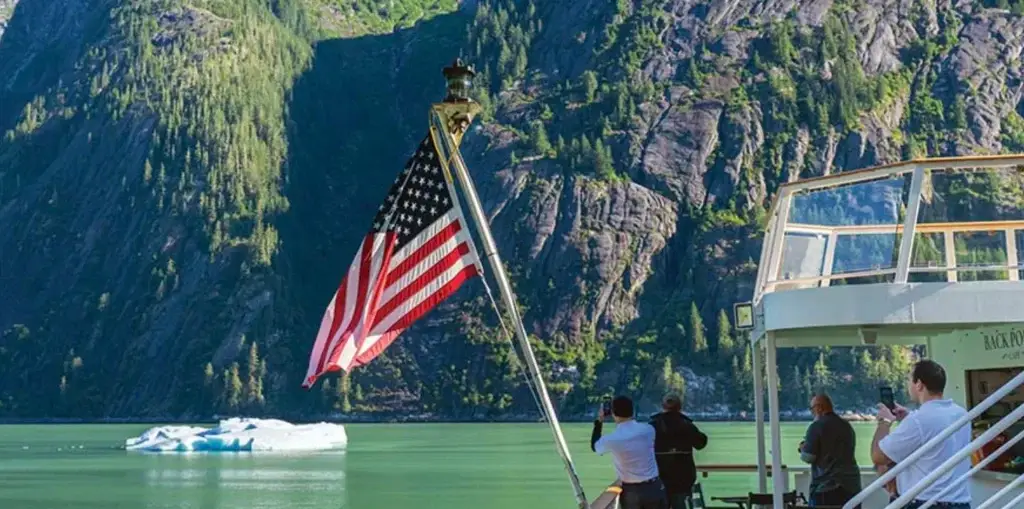 What you get for the price differs almost as much as the price itself. Here is how the two primary operators on the Columbia and Snake Rivers actually compare in 2026.
American Cruise Lines
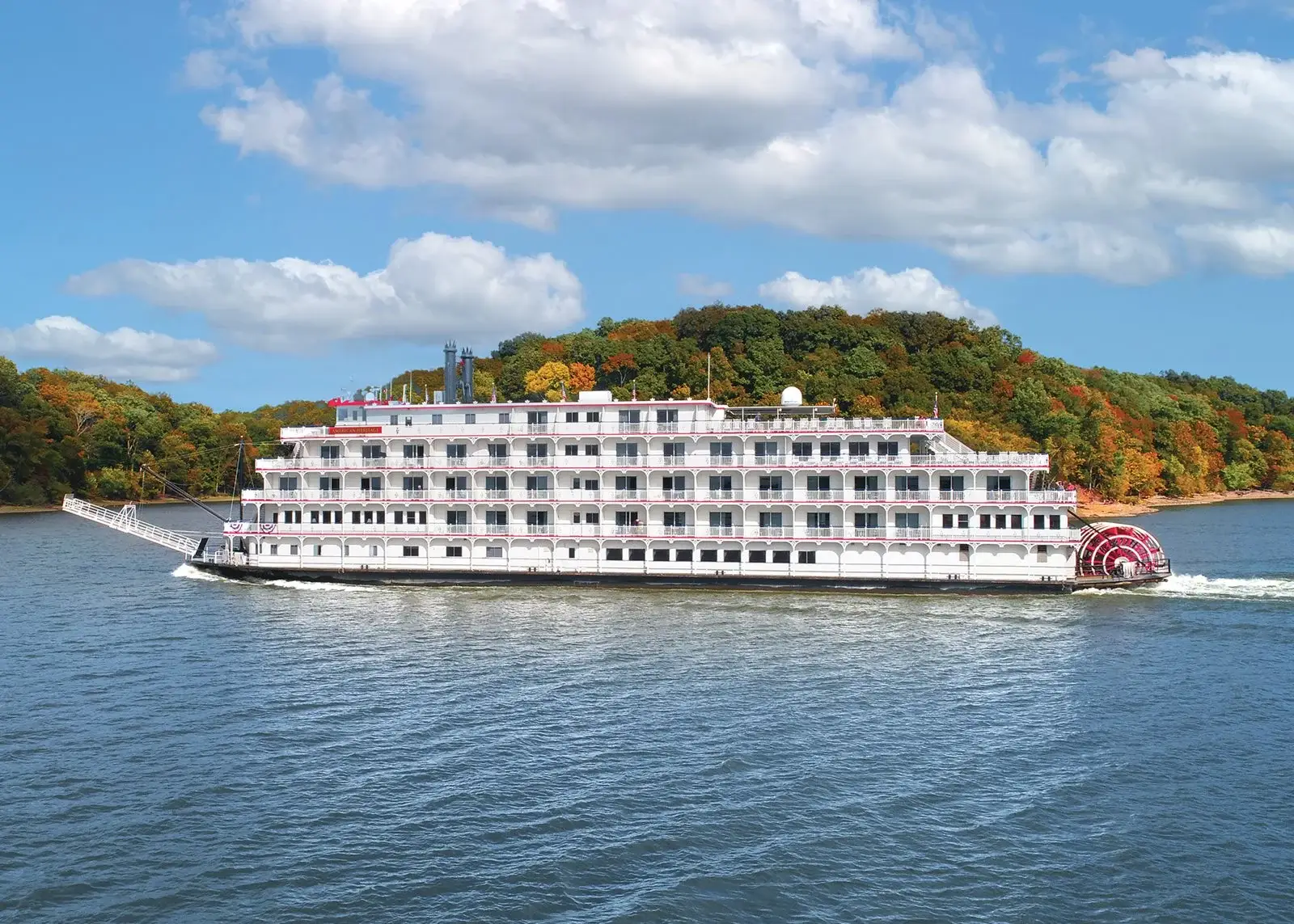
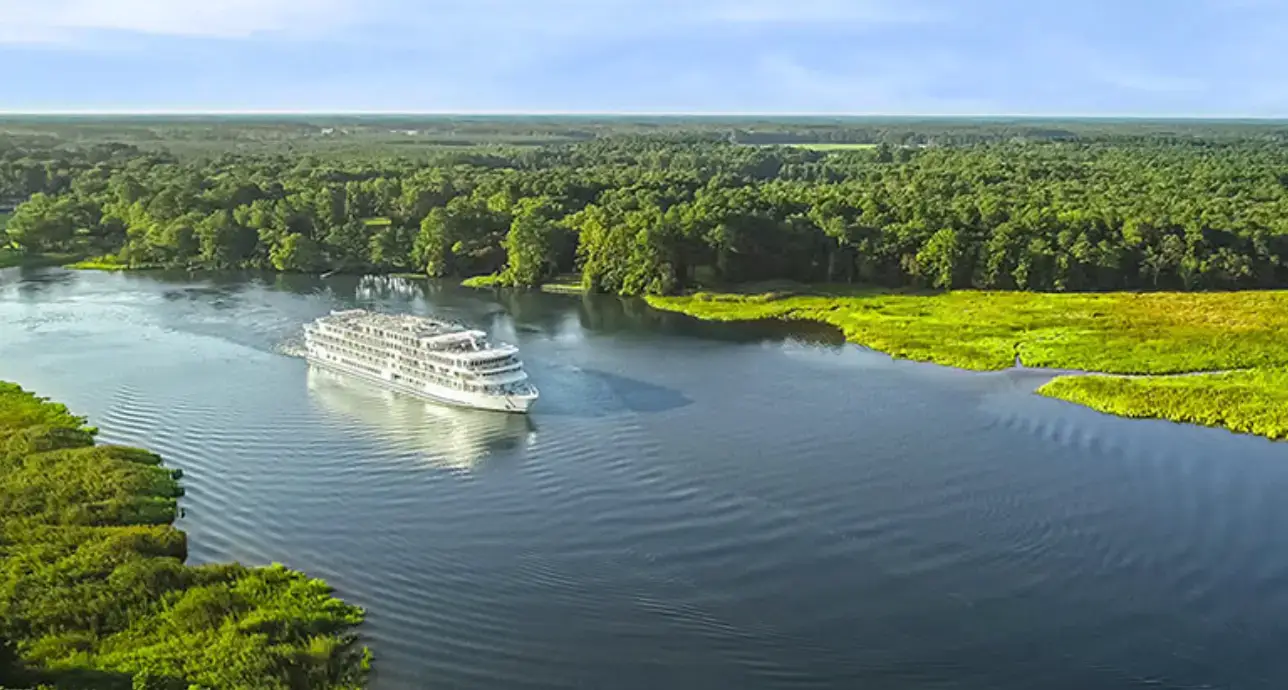
American Cruise Lines’ cost starts at approximately $3,800 per person for a standard cabin on a 7-day Columbia River Gorge sailing, with 9 to 11-day Columbia and Snake Rivers itineraries starting at $5,500, and the 16 day itineraries starting at $13,900 per person depending on cabin class and season. ACL is the largest small-ship operator in the country, with President and CEO Charles B. Robertson noting in trade interviews that the Columbia and Snake route is among the line’s most popular domestic itineraries, prized for its combination of Lewis and Clark history and Pacific Northwest scenery. It’s worth mentioning that multiple all food & beverage, daily excursions, and gratuities are fully included in the base fare with American Cruise Lines.
Lindblad Expeditions
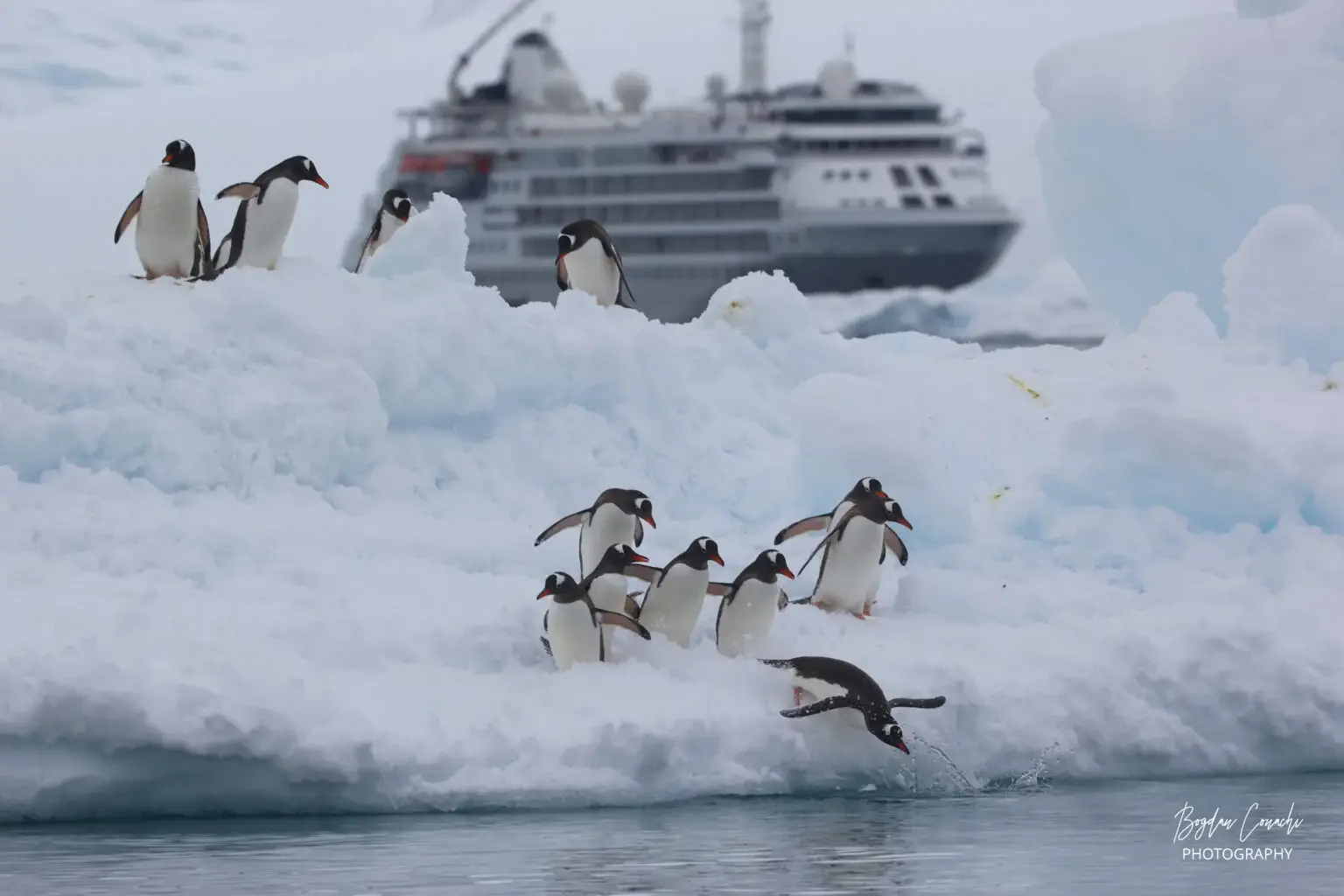
Operating in partnership with National Geographic, Lindblad starts at approximately $6,600 per person for an 8-day voyage. The premium reflects onboard naturalists, National Geographic-certified photo instructors, and an expedition-style format built around wildlife and landscape interpretation. Shore excursions and onboard programming are deeply integrated rather than optional add-ons, which is worth factoring in if you were planning to compare this line’s price against a more excursion-light itinerary elsewhere.
The Hidden Costs Most Travelers Don’t Budget For
The advertised Columbia River cruise cost is rarely the final number. Here is a realistic budget for a mid-range 9-day sailing:
| Expense | Advertised | Realistic Add-On |
|---|---|---|
| Base cruise fare | $5,500+/person | Included |
| Gratuities | Included | Included |
| Excursion upgrades | Partially included | +$400 |
| Beverages (9 nights) | Included | Included |
| Travel insurance | Not included | +$300 |
| Airfare (roundtrip) | Not included | +$500 |
| Pre/post hotel (2 nights) | Not included | +$600 |
| Realistic Total | $5,500 per person | ~$7,000/person |
That gap between the advertised fare and what you should actually expect to spend is something most cruise search tools will not show you upfront. It is also exactly why we walk every client through a full budgeting guide for river cruises before they book anything with us, and why we ask about your comfort range early in the conversation rather than after you have already fallen in love with a specific sailing.
Best Time to Book Your Columbia River Cruise for the Best Price
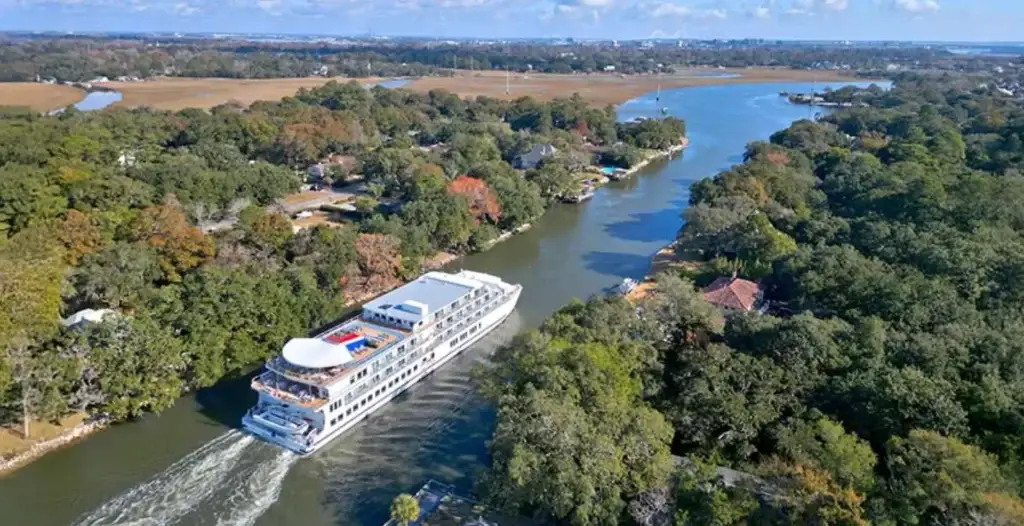 The primary sailing season runs from April through November, and pricing follows a predictable arc from there. Early-booking savings are also real and worth pursuing, regardless of which month you choose. Most lines offer solid reductions for reservations made 12 to 18 months in advance, and some promotions may even include shore excursion credits or complimentary cabin upgrades rather than a straight discount off the fare.
April & May
This is the strongest window for wildlife and value together. Wildflowers fill the gorge, spring bird migration is in full swing, and fewer passengers are competing for space on shore excursions. Fares here run well below peak season, which makes April and May the months we point most budget-conscious groups toward first.
June & July
June sits in a comfortable middle ground where its mild weather without the crowds or the premium pricing of peak fall sailings. If your group wants pleasant conditions without planning a trip strictly around wildflowers or harvest season, this is a solid season to anchor a booking.
September & October
This is peak season, and the fare reflects it. Fall foliage, wine harvest, and mild temperatures make these the most in-demand months of the year, and you should expect to pay 15 to 25 percent more for a fall sailing compared to the identical itinerary in May. Worth it if fall color and harvest season are the point of the trip for your group, less so if price is the priority.
Best Months by Traveler Type
If you would rather match the calendar to what your group cares about most, here is the quick version:
- Wildlife and wildflowers: April through May
- Wine and harvest: September through October
- Best value: May or early November
- Mild weather without peak crowds: June
Shore Excursions and Onboard Activities on a Columbia River Cruise
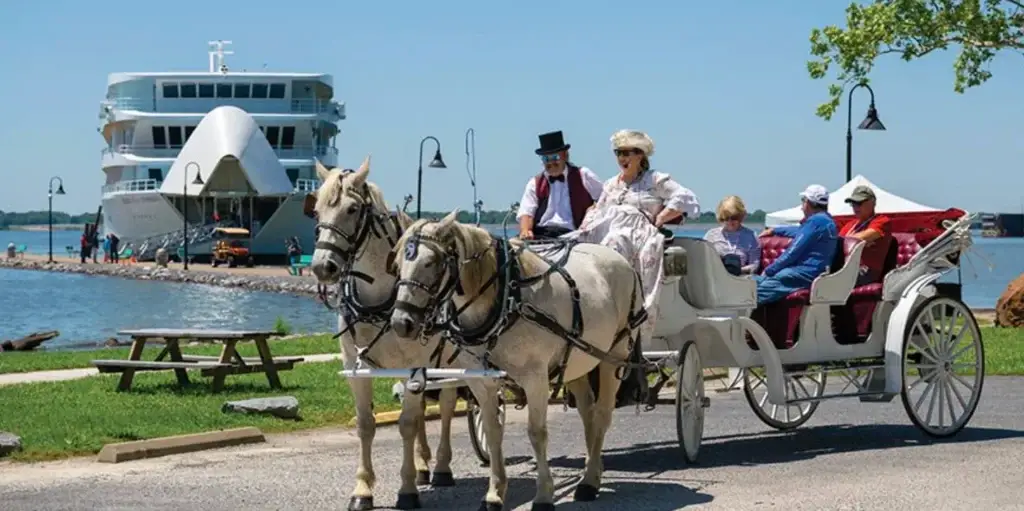 Most itineraries include at least one included excursion per port, commonly a visit to Multnomah Falls, stops tied to the 1980 eruption of Mount St. Helens, and sites along the Lewis and Clark expedition trail. These tend to be included in the base fare rather than offered as an upgrade, and they anchor the historical thread that runs through the whole trip.
Wine Country Tastings
The Columbia Gorge is wine country, and a tour and tasting at a regional winery like Maryhill is a common stop on both the westbound and eastbound routes. These excursions are usually built around a guided tasting, so you get context on the region along with the wine.
Active Excursions: Kayaking, Hiking, and Skiff Rides
Some itineraries lean heavily into active programming, with kayaking, guided hiking, and skiff excursions built into most days rather than offered as a premium add-on. This is worth asking about directly if your group wants to move rather than sit through a lecture, since the amount of active programming varies significantly by ship.
Naturalist-Led Wildlife and Photography Programs
On the more expedition-style itineraries, onboard naturalists and certified photo instructors lead deeply integrated wildlife and landscape programming rather than leaving it to guests to explore independently. This suits travelers who want expert context for what they are seeing, and it is worth confirming ahead of time whether a program you are considering takes this approach or a more traditional one. Timing shapes all of this. The U.S. Bureau of Reclamation, which manages reservoir and streamflow levels throughout the Columbia River Basin, notes that conditions shift meaningfully in spring, which is part of why an April sailing focused on wildflowers and bird migration feels quite different from a September sailing built around wine harvest and fall color.
Why a Domestic River Cruise Might Be the Right Fit for Your Group
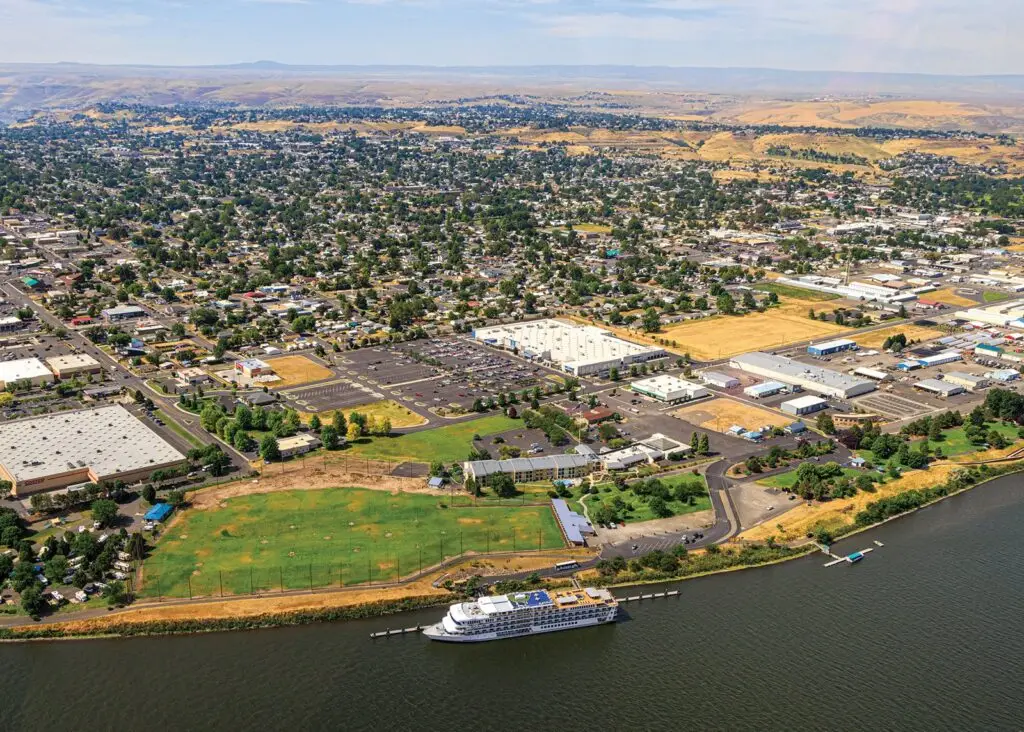 Before you compare the Columbia and Snake to a river cruise overseas, it’s worth considering what a US river cruise actually offers.
American Landscape and History You Can’t Get Overseas
The route follows the Lewis and Clark expedition trail, passes through Native American cultural sites, includes lock transits on the Snake River, and moves through Willamette Valley and Columbia Gorge wine country. The gorge itself is a UNESCO-designated National Scenic Area, and the landscape shifts dramatically along the way, from lush green cliffs on the Columbia to high desert canyon country on the Snake. It’s a different flavor of immersive travel than a Rhine or Danube sailing, not a lesser one.
No Passport Required
The entire route stays within Oregon, Washington, and Idaho, so nobody needs a passport to sail it. For a group where someone’s passport expired last year, or a family member has never needed one, that single fact can be the difference between a trip that happens this year and one that gets postponed.
Shorter Travel Days and No Jet Lag
There’s no international transit day eating into your vacation, no currency exchange to think about, and no big time zone adjustment beyond what you’d feel flying to the West Coast from anywhere else in the country. You land, and the trip starts, instead of losing a day of it to recovery.
Easier for Multigenerational and First-Time Groups
A milestone trip that includes grandparents, adult children, and grandchildren works differently when nobody has to navigate an unfamiliar airport in another country or manage a connection running late overseas. Domestic river cruises must operate on American-flagged ships under the Passenger Vessel Services Act, which also means American crews and no language barrier on board.
Why Booking Through a Group Specialist Costs You Nothing Extra
A specialist who actually understands and has experienced these cruise lines can steer your group toward the right fit instead of defaulting to whichever line pays the best commission, and working with one doesn’t raise your price. Travel planning services at Yellow Umbrella Travel are completely complimentary. American Cruise Lines pays our commission, so you pay the same fare you’d pay booking direct, and you get an advisor who knows this itinerary. As a trusted travel agency, we have guided thousands of clients, couples, and families, and we’re proud to be counted among the top group travel agencies in the United States. We make group travel easy, coordinating every detail so you get real peace of mind instead of a growing list of things to manage yourself. With more than a decade of group travel expertise and a team of nine travel professionals, we’ll make sure you get the journey your group needs.
FAQs About Columbia River Cruise Costs
What is the best month to cruise the Columbia River?
September and October are usually considered the best months, since fall foliage and the wine harvest make those months the most in demand.
Where does the Columbia River cruise start and end?
Most Columbia River cruises run between Portland, Oregon, and Clarkston, Washington, sailing in either direction depending on the season and the specific departure. Shorter itineraries that stay within the Columbia River Gorge may turn around without reaching Clarkston, while the longer 8 to 11-day sailings continue east onto the Snake River.
How do cruise ships get past dams on the Columbia River?
Through navigation locks. The Columbia and Snake River system includes a series of hydroelectric dams, and each one has an adjoining lock chamber that raises or lowers the ship to match the water level on the other side, similar in principle to a canal lock. Passengers usually gather on deck to watch the process, since it’s a genuinely striking piece of engineering to see up close.
How long are Columbia River cruise itineraries?
Most run 7 to 11 days. Seven-day sailings cover the gorge, Portland, and Oregon wine country. Nine- to 11-day itineraries extend into the Snake River canyon and Hells Canyon. There’s no such thing as a 3-day Columbia River cruise, since the route doesn’t support it.
Is It Worth the Price? Our Honest Take
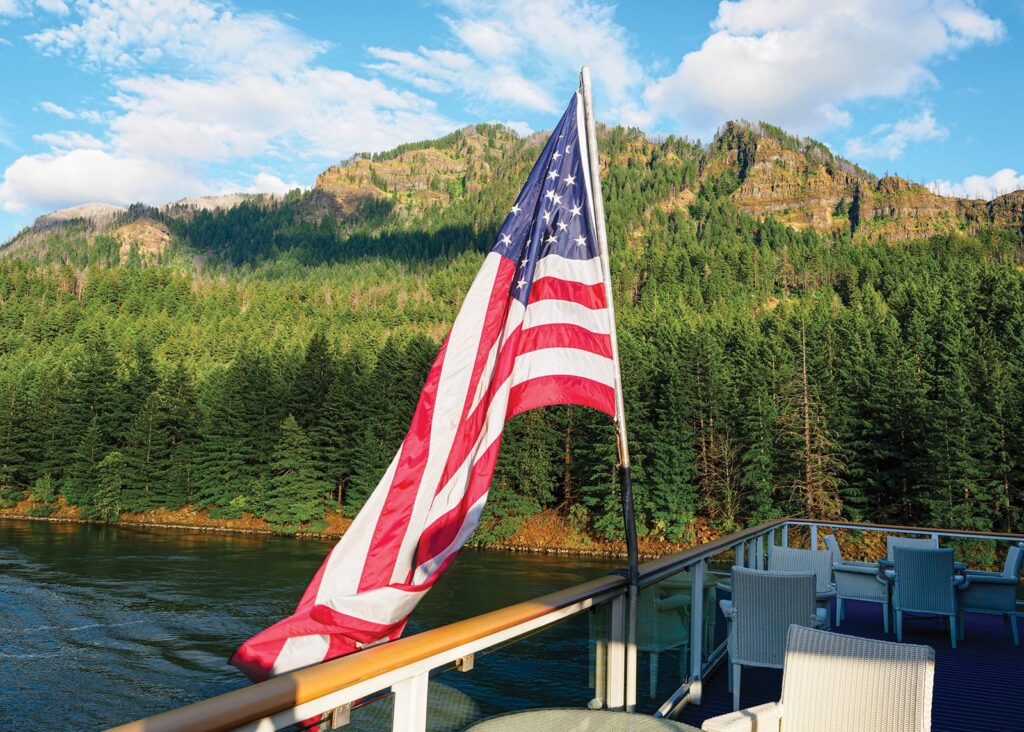
A Columbia River cruise earns its price through what it actually delivers: a journey from Multnomah Falls to the basalt walls of the gorge, meals and guided programming built into a single fare, and a pace that lets you walk the Lewis and Clark Trail and taste wine in the Columbia Gorge AVA without managing any of it yourself.
At Yellow Umbrella Travel, we have planning experience since 2009 and are based in New Braunfels, Texas. Our planning services are completely complimentary, since the cruise line pays our commission rather than charging you a fee for our time. If a Columbia River sailing sounds like the trip your group has been waiting for, reach out to cheryl@yellowumbrellatravel.com and let’s find the right ship, cabin, and season for you.